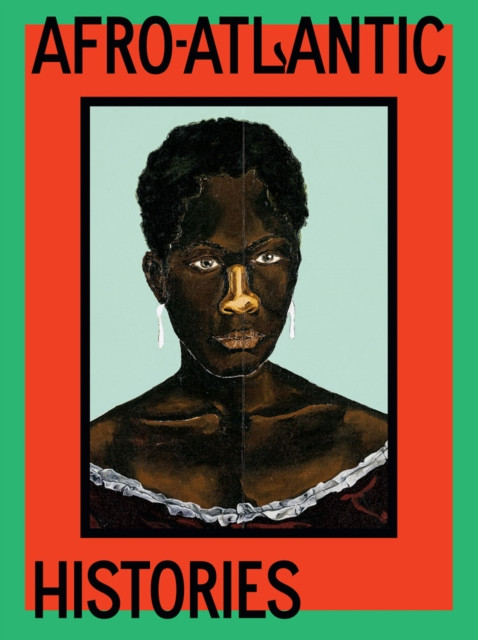
Afro-Atlantic Histories
Bra pris nuLägsta priset på 1 månad
479 kr519 kr−7% senaste veckanhos Buyersclub · exkl. frakt
Jämfört med det lägsta pris vi sett de 30 dagarna före sänkningen.
110 kr skillnad mellan billigaste och dyraste butik i lager
Dubbelkollade priser
Jämför 3 butiker
- Buyersclub, 479 kr, frakt enligt butiken. Till butik (öppnas i ny flik)
I lagerKampanjFrakt: se butikenDubbelkollad 05:35
479 kr
Lägst
- Storytel Books, 589 kr, frakt enligt butiken. Till butik (öppnas i ny flik)
I lagerFrakt: se butikenDubbelkollad 09:09
589 kr
- Adlibris, 593 kr, frakt enligt butiken. Till butik (öppnas i ny flik)
Slut i lagerFrakt: se butikenDubbelkollad 27 okt. 09:10
593 kr



Priser från butikernas flöden kan ha ändrats: det är priset hos butiken som gäller, så kontrollera det innan du handlar.
Prishistorik
Köp nu eller vänta?
Just nu kostar produkten 479 kr — det lägsta vi sett på 1 månad.
Under den tiden har det oftast legat runt 520–590 kr.
Pris idag
479 kr
- Lägst
- 479 kr
- Snitt
- 545 kr
- Högst
- 593 kr
| 2026-09-15 | 497 kr · Lägst hos Adlibris |
|---|---|
| 2026-09-18 | 587 kr · Lägst hos Adlibris |
| 2026-09-29 | 519 kr · Lägst hos Buyersclub |
| 2026-10-05 | 587 kr · Lägst hos Adlibris |
| 2026-10-06 | Ingen butik hade produkten i lager |
| 2026-10-08 | 593 kr · Lägst hos Adlibris |
| 2026-10-16 | 519 kr · Lägst hos Buyersclub |
| 2026-10-28 | 479 kr · Lägst hos Buyersclub |
Om produkten
Afro-Atlantic Histories
Läs merLäs mindre
A colossal, panoramic, much-needed appraisal of the visual cultures of Afro-Atlantic territories across six centuries Published with Museu de Arte de São Paulo. Named one of the best books of 2021 by Artforum Afro-Atlantic Histories brings together a selection of more than 400 works and documents by more than 200 artists from the 16th to the 21st centuries that express and analyze the ebbs and flows between Africa, the Americas, the Caribbean and Europe. The book is motivated by the desire and need to draw parallels, frictions and dialogues around the visual cultures of Afro-Atlantic territories—their experiences, creations, worshiping and philosophy. The so-called Black Atlantic, to use the term coined by Paul Gilroy, is geography lacking precise borders, a fluid field where African experiences invade and occupy other nations, territories and cultures. The plural and polyphonic quality of “histórias” is also of note; unlike the English “histories,” the word in Portuguese carries a