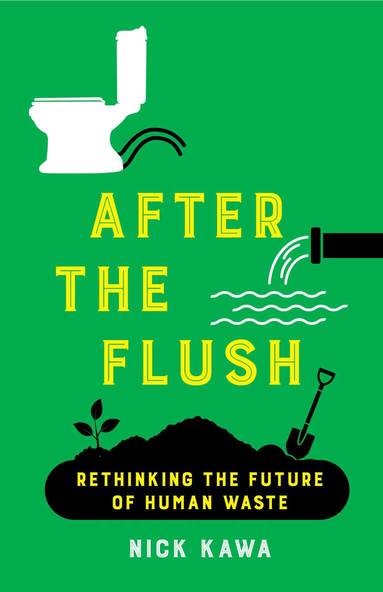
After the Flush
Bra pris nuLägsta priset på 2 veckor
246 krhos Bokus · exkl. frakt
73 kr skillnad mellan billigaste och dyraste butik i lager
Dubbelkollat idag
Jämför 2 butiker
- Bokus, 246 kr, frakt enligt butiken. Till butik (öppnas i ny flik)
I lagerFrakt: se butikenDubbelkollad 15:58
246 kr
Lägst
- Akademibokhandeln, 319 kr, frakt enligt butiken. Till butik (öppnas i ny flik)
I lagerFrakt: se butikenDubbelkollad 15:58
319 kr

Priser från butikernas flöden kan ha ändrats: det är priset hos butiken som gäller, så kontrollera det innan du handlar.
Prishistorik
Köp nu eller vänta?
Just nu kostar produkten 246 kr — det lägsta vi sett på 2 veckor.
Under den tiden har det oftast legat runt 250–390 kr.
Pris idag
246 kr
- Lägst
- 246 kr
- Snitt
- 331 kr
- Högst
- 509 kr
| 2026-10-01 | 509 kr · Lägst hos Akademibokhandeln |
|---|---|
| 2026-10-02 | 389 kr · Lägst hos Bokus |
| 2026-10-05 | Ingen butik hade produkten i lager |
| 2026-10-12 | 319 kr · Lägst hos Akademibokhandeln |
| 2026-10-13 | 246 kr · Lägst hos Bokus |
Om produkten
After the Flush
Läs merLäs mindre
Looking beyond current sanitation models in the US to develop new ways of managing human waste as a resource.What happens when you flush the toilet? Where does the waste go?In this engagingly written ethnographic study, Nick Kawa follows the trail of human bodily excrement as it travels through multiple sites in the American Midwest. In addition to documenting the treatment and transformation of sanitation waste, this book chronicles the growing movement to promote sewage sludge, or "biosolids," for fertilizing industrial farm fields, urban gardens, city parks, and ecological restoration sites-a complex endeavor that has fueled debates about potential harms to human and environmental health.After the Flush presents the modern sanitation system through the eyes of insider experts, sharing insights from wastewater treatment operators and environmental scientists but also activists who advocate for alternative models to the industrial system. These include low-cost forms of ecological sanitation, illustrated through the author's own experiments with a compost toilet. Reframing human bodily waste as simply part of the human biome, this book offers radical possibilities for managing the human relationship to self, body, community, and ecology.