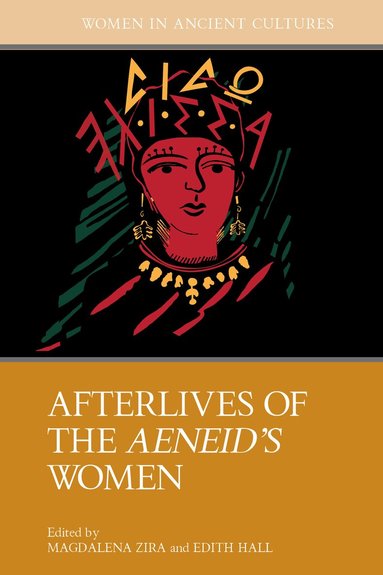
Afterlives of the Aeneid's Women
3 178 krhos Bokus · exkl. frakt
951 kr skillnad mellan billigaste och dyraste butik i lager
Dubbelkollat idag
Jämför 2 butiker
- Bokus, 3 178 kr, frakt enligt butiken. Till butik (öppnas i ny flik)
I lagerFrakt: se butikenDubbelkollad 07:51
3 178 kr
Lägst
- Akademibokhandeln, 4 129 kr, frakt enligt butiken. Till butik (öppnas i ny flik)
I lagerFrakt: se butikenDubbelkollad 07:53
4 129 kr

Priser från butikernas flöden kan ha ändrats: det är priset hos butiken som gäller, så kontrollera det innan du handlar.
Prishistorik
Köp nu eller vänta?
Just nu kostar produkten 3 178 kr — 123 kr över det lägsta vi sett på 3 veckor.
Under den tiden har det oftast legat runt 3 060–3 180 kr.
Pris idag
3 178 kr
- Lägst
- 3 055 kr
- Snitt
- 3 128 kr
- Högst
- 3 969 kr
| 2026-09-24 | 3 969 kr · Lägst hos Akademibokhandeln |
|---|---|
| 2026-09-25 | 3 055 kr · Lägst hos Bokus |
| 2026-10-12 | 3 178 kr · Lägst hos Bokus |
Om produkten
Afterlives of the Aeneid's Women
Läs merLäs mindre
This richly illustrated collection of essays, accompanied by a substantial introduction, investigates the international reception of the women (not goddesses) of the Aeneid from medieval times to the present. Across an expansive range of media and genres-academic criticism, opera, theatre, burlesque, fiction, poetry, fine art, cinema, and computer games-the volume traces how heroines such as Dido, Lavinia, Creusa, Camilla, Silvia and many others have been reimagined, contested, and reclaimed.The essays are united by sustained engagement with colonialist, nationalist, and anti-colonialist appropriations of the poem, as well as with evolving discourses on gender and sexuality. Particular attention is paid to the use of satire and parody in self-conscious responses to this canonical text, and to the diverse techniques through which later writers and artists have amplified voices marginalised or nearly silenced in the original epic.Grounded in historically and culturally attentive contextualisation, and informed by narrative theory, orality studies, feminism, and postcolonial thought, the collection offers a revelatory account of the enduring challenge posed to male-dominated and Eurocentric narrative in classical works. Authored by an unusually diverse community of scholars, it makes a significant contribution to the study of this seminal work's reception and cultural influence.