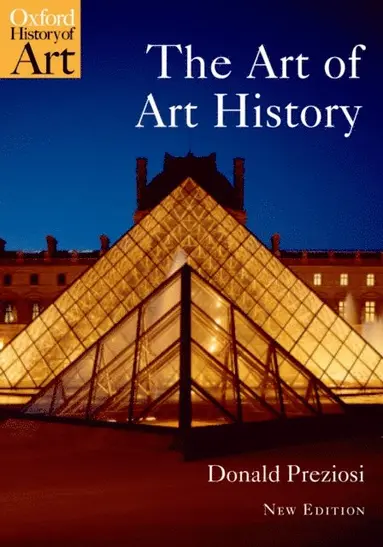
Art of Art History
Dubbelkollade priser
Jämför 2 butiker
- Bokus, 189 kr, frakt enligt butiken. Till butik (öppnas i ny flik)
I lagerFrakt: se butikenDubbelkollad 05:51
189 kr
Lägst
- Adlibris, 202 kr plus 35 kr frakt. Till butik (öppnas i ny flik)
Slut i lagerFrakt 35 krDubbelkollad 27 okt. 09:10
202 kr


Priser från butikernas flöden kan ha ändrats: det är priset hos butiken som gäller, så kontrollera det innan du handlar.
Prishistorik
Köp nu eller vänta?
Just nu kostar produkten 189 kr — 93 kr över det lägsta vi sett på 1 månad.
Under den tiden har det oftast legat runt 100–190 kr.
Pris idag
189 kr
- Lägst
- 96 kr
- Snitt
- 162 kr
- Högst
- 189 kr
| 2026-09-15 | 185 kr · Lägst hos Bokus |
|---|---|
| 2026-09-29 | 96 kr · Lägst hos Bokus |
| 2026-10-11 | 99 kr · Lägst hos Bokus |
| 2026-10-12 | 189 kr · Lägst hos Bokus |
Om produkten
What is art history?
Läs merLäs mindre
Why, how, and where did it originate, and how have its methods changed over time? The history of art has been written and rewritten since classical antiquity. Since the foundation of the modern discipline of art history in Germany in the late eighteenth century, debates about art and its histories have intensified. Historians, philosophers, psychologists, and anthropologists among others have changed our notions of what art history has been, is, and might be. This anthology is a guide to understanding art history through critical reading of the field's most innovative and influential texts, focusing on the past two centuries. Each section focuses on a key issue: art as history; aesthetics; form, content, and style; anthropology; meaning and interpretation; authorship and identity; and the phenomenon of globalization. More than thirty readings from writers as diverse as Winckelmann, Kant, Mary Kelly, and Michel Foucault are brought together, with editorial introductions to each topic providing background information, bibliographies, and critical elucidations of the issues at stake. This updated and expanded edition contains sixteen newly included extracts from key thinkers in the history of art, from Giorgio Vasari to Walter Benjamin and Satya Mohanty; a new section on globalization; and also a new concluding essay from Donald Preziosi on the tasks of the art historian today.