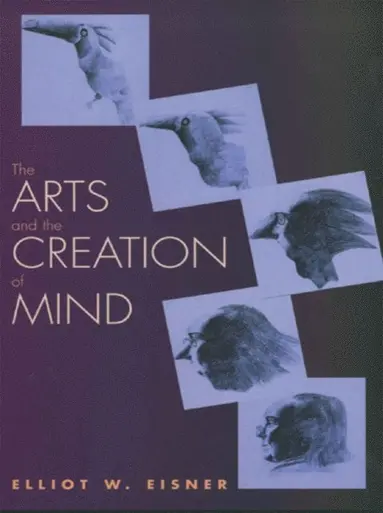
Arts and the Creation of Mind
Bra pris nuLägsta priset på 1 månad
252 krhos Bokus · exkl. frakt
Dubbelkollade priser
Jämför 2 butiker
- Bokus, 252 kr, frakt enligt butiken. Till butik (öppnas i ny flik)
I lagerFrakt: se butikenDubbelkollad 15:51
252 kr
Lägst
- Adlibris, 263 kr, frakt enligt butiken. Till butik (öppnas i ny flik)
Slut i lagerFrakt: se butikenDubbelkollad 27 okt. 09:10
263 kr


Priser från butikernas flöden kan ha ändrats: det är priset hos butiken som gäller, så kontrollera det innan du handlar.
Prishistorik
Köp nu eller vänta?
Just nu kostar produkten 252 kr — det lägsta vi sett på 1 månad.
Under den tiden har det oftast legat runt 250–260 kr.
Pris idag
252 kr
- Lägst
- 252 kr
- Snitt
- 258 kr
- Högst
- 263 kr
| 2026-09-15 | 259 kr · Lägst hos Adlibris |
|---|---|
| 2026-09-17 | 263 kr · Lägst hos Adlibris |
| 2026-10-04 | Ingen butik hade produkten i lager |
| 2026-10-08 | 263 kr · Lägst hos Adlibris |
| 2026-10-13 | 252 kr · Lägst hos Bokus |
Om produkten
Arts and the Creation of Mind
Läs merLäs mindre
Although the arts are often thought to be closer to the rim of education than to its core, they are, surprisingly, critically important means for developing complex and subtle aspects of the mind, argues Elliot Eisner in this engrossing book. In it he describes how various forms of thinking are evoked, developed, and refined through the arts. These forms of thinking, Eisner argues, are more helpful in dealing with the ambiguities and uncertainties of daily life than are the formally structured curricula that are employed today in schools.Offering a rich array of examples, Eisner describes different approaches to the teaching of the arts and the virtues each possesses when well taught. He discusses especially nettlesome issues pertaining to the evaluation of performance in the arts. Perhaps most important, Eisner provides a fresh and admittedly iconoclastic perspective on what the arts can contribute to education, namely a new vision of both its aims and its means. This new perspective, Eisner argues, is especially important today, a time at which mechanistic forms of technical rationality often dominate our thinking about the conduct and assessment of education.