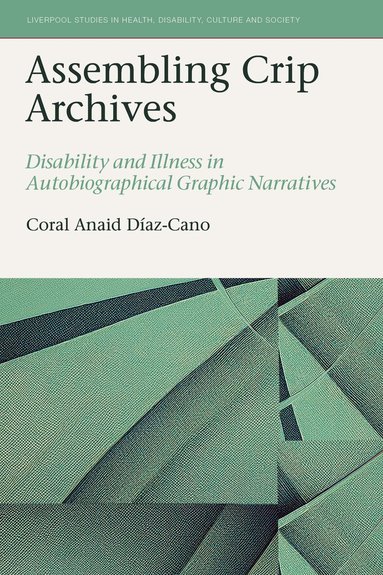
Assembling Crip Archives
1 994 krhos Bokus · exkl. frakt
595 kr skillnad mellan billigaste och dyraste butik i lager
Dubbelkollat idag
Jämför 2 butiker
- Bokus, 1 994 kr, frakt enligt butiken. Till butik (öppnas i ny flik)
I lagerFrakt: se butikenDubbelkollad 14:51
1 994 kr
Lägst
- Akademibokhandeln, 2 589 kr, frakt enligt butiken. Till butik (öppnas i ny flik)
I lagerFrakt: se butikenDubbelkollad 14:53
2 589 kr

Priser från butikernas flöden kan ha ändrats: det är priset hos butiken som gäller, så kontrollera det innan du handlar.
Prishistorik
Köp nu eller vänta?
Just nu kostar produkten 1 994 kr — 12 kr över det lägsta vi sett på 3 veckor.
Under den tiden har det oftast legat runt 2 230–2 670 kr.
Pris idag
1 994 kr
- Lägst
- 1 982 kr
- Snitt
- 2 518 kr
- Högst
- 3 469 kr
| 2026-09-19 | 3 469 kr · Lägst hos Akademibokhandeln |
|---|---|
| 2026-09-20 | 2 667 kr · Lägst hos Bokus |
| 2026-10-04 | 2 233 kr · Lägst hos Bokus |
| 2026-10-09 | 2 667 kr · Lägst hos Bokus |
| 2026-10-12 | 2 579 kr · Lägst hos Akademibokhandeln |
| 2026-10-13 | 1 982 kr · Lägst hos Bokus |
| 2026-10-16 | 1 994 kr · Lägst hos Bokus |
Om produkten
Assembling Crip Archives
Läs merLäs mindre
Ebook available to libraries exclusively as part of the JSTOR Path to Open initiative.Assembling Crip Archives offers the first sustained study of how autobiographical graphic narratives of disability and illness function as archives of embodied knowledge. Bringing together disability studies, crip theory, and comics theory, Coral Anaid Díaz-Cano examines how cartoonists use the formal affordances of comics to document, contest, and reimagine lived experiences of illness, impairment, and care.Through close readings of Tangles, Stitches, Marbles, and Dancing After TEN, the book shows how graphic memoirs assemble alternative records that challenge the authority of medical and scientific narratives. These works do not simply depict illness or disability; they produce generative acts of recordkeeping, preserving affective traces, relational encounters, and bodily knowledge that resist biomedical objectivity. Díaz Cano argues that comics' interplay of word, image, repetition, and absence enables the creation of 'crip archives' that foreground vulnerability, dependency, collaboration, and non-normative temporalities.Attentive to questions of race, gender, care, and authorship, Assembling Crip Archives situates graphic life writing within broader debates about visibility, access, and epistemic authority. The book makes a major contribution to comics studies and disability humanities, demonstrating how drawn self-representation becomes a powerful method for thinking about embodiment, memory, and the politics of knowledge.