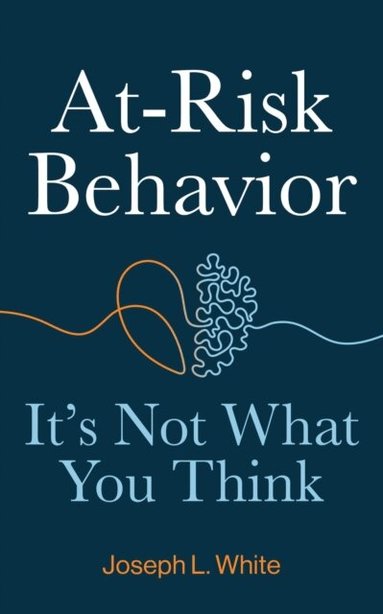
At-Risk Behavior: It's Not What You Think
Dubbelkollat idag
Jämför 1 butik
- Bokus, 168 kr, frakt enligt butiken. Till butik (öppnas i ny flik)
I lagerFrakt: se butikenDubbelkollad 07:51
168 kr
Lägst

Priser från butikernas flöden kan ha ändrats: det är priset hos butiken som gäller, så kontrollera det innan du handlar.
Om produkten
At-Risk Behavior: It's Not What You Think
Läs merLäs mindre
Traditional safety management principles are built on an assumption that human behavior is rational and occurs primarily through conscious decision-making. As behavioral scientists have revealed, nothing could be further from the truth. We are in fact, irrational by nature and creatures of habit. We rely heavily on past experiences to formulate judgement and make thousands of choices each day on intuition alone. This relatively recent discovery presents a disorienting dilemma for the safety profession and calls to question a number of existing practices used to prevent at-risk behaviors. As we now know, success doesn't hinge on changing what employees think about shortcuts or taking unnecessary chances on the job. It has everything to do with changing how they feel about them.The purpose of this book is to provide an evidence-based strategy for the reduction of at-risk behaviors on the job. A seemingly insurmountable challenge, safety practitioners have long struggled to understand the human factors responsible for workforce performance outcomes that deviate from training, knowledge, and recognized best practices. As a result, the safety profession lacks the ability to effectively reduce unsafe acts responsible workplace incidents, including those involving serious injuries and fatalities (SIFs).To create the next step change in the practice of occupational safety, we must revisit existing paradigms defining it, revise them to better align with research emerging from advancements in neuroscience, and adapt to practice realigned strategies of an affective nature. The aim of this book is to outline the process required for this transition to occur.