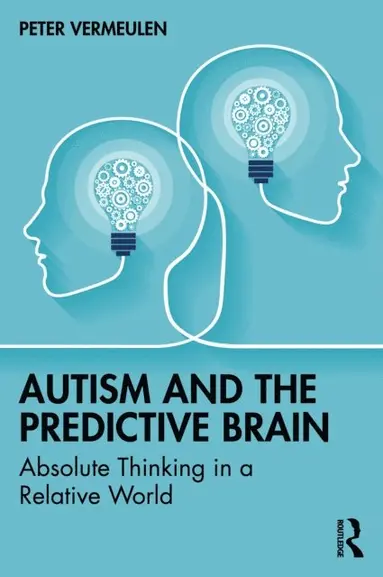
Autism and The Predictive Brain
Bra pris nuLägsta priset på 1 månad
571 krhos Bokus · exkl. frakt
Dubbelkollade priser
Jämför 2 butiker
- Bokus, 571 kr, frakt enligt butiken. Till butik (öppnas i ny flik)
I lagerFrakt: se butikenDubbelkollad 09:51
571 kr
Lägst
- Adlibris, 589 kr, frakt enligt butiken. Till butik (öppnas i ny flik)
Slut i lagerFrakt: se butikenDubbelkollad 27 okt. 09:10
589 kr


Priser från butikernas flöden kan ha ändrats: det är priset hos butiken som gäller, så kontrollera det innan du handlar.
Prishistorik
Köp nu eller vänta?
Just nu kostar produkten 571 kr — det lägsta vi sett på 1 månad.
Under den tiden har det oftast legat runt 570–660 kr.
Pris idag
571 kr
- Lägst
- 571 kr
- Snitt
- 617 kr
- Högst
- 663 kr
| 2026-09-15 | 654 kr · Lägst hos Bokus |
|---|---|
| 2026-09-19 | 663 kr · Lägst hos Bokus |
| 2026-09-27 | 628 kr · Lägst hos Bokus |
| 2026-09-30 | 663 kr · Lägst hos Bokus |
| 2026-10-08 | 589 kr · Lägst hos Adlibris |
| 2026-10-11 | 589 kr · Lägst hos Bokus |
| 2026-10-15 | 571 kr · Lägst hos Bokus |
| 2026-10-20 | 589 kr · Lägst hos Bokus |
| 2026-10-24 | 571 kr · Lägst hos Bokus |
Om produkten
Autism and The Predictive Brain
Läs merLäs mindre
What if our previous teachings and beliefs regarding processing stimuli, reading emotions and understanding human behaviour is all untrue? In this book, Peter Vermeulen investigates new findings on the predictive brain and what these insights mean for autism and current interventions. Recent research has shown that the classic ideas about how the human brain first needs to process incoming information about the world before it can react are no longer tenable. Rather, to survive in the volatile, uncertain, complex and ambiguous environment of modern society, what we need is a brain that predicts the world quickly and unconsciously, while taking proper account of the context. This book explains the new theories relating to the predictive brain, summarising some of the more recent highly technical research studies about the predictive mind and autism into as accessible and understandable language as possible. Shedding new light on the predictive brain and its relation to autism, the chapters lead readers to the inevitable conclusion that many of the current interventions used in connection with autism urgently need updating and outline possibilities for revising. This approachable book synthesises advanced research for professionals across disciplines working with people with autism spectrum disorder along with readers who have or have family members with ASD.