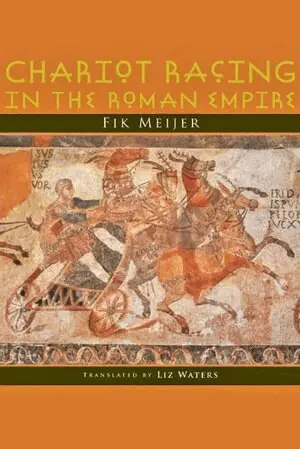
Chariot Racing in the Roman Empire
- Vikt 0,43 kg
Dubbelkollade priser
Jämför 3 butiker
- Bokus, 322 kr, frakt enligt butiken. Till butik (öppnas i ny flik)
Slut i lagerFrakt: se butikenDubbelkollad 08:51
322 kr
- Adlibris, 386 kr, frakt enligt butiken. Till butik (öppnas i ny flik)
Slut i lagerFrakt: se butikenDubbelkollad 27 okt. 09:10
386 kr
- Akademibokhandeln, 419 kr, frakt enligt butiken. Till butik (öppnas i ny flik)
Slut i lagerFrakt: se butikenDubbelkollad 08:53
419 kr


Priser från butikernas flöden kan ha ändrats: det är priset hos butiken som gäller, så kontrollera det innan du handlar.
Prishistorik
Köp nu eller vänta?
- Lägst
- 322 kr
- Snitt
- 354 kr
- Högst
- 428 kr
| 2026-09-15 | 322 kr · Lägst hos Bokus |
|---|---|
| 2026-09-28 | 422 kr · Lägst hos Bokus |
| 2026-09-29 | 415 kr · Lägst hos Bokus |
| 2026-10-02 | 417 kr · Lägst hos Bokus |
| 2026-10-03 | 426 kr · Lägst hos Bokus |
| 2026-10-05 | 386 kr · Lägst hos Adlibris |
| 2026-10-08 | 428 kr · Lägst hos Bokus |
| 2026-10-09 | 418 kr · Lägst hos Bokus |
| 2026-10-11 | 322 kr · Lägst hos Bokus |
| 2026-10-28 | 419 kr · Lägst hos Akademibokhandeln |
| 2026-10-31 | Ingen butik hade produkten i lager |
Om produkten
Chariot Racing in the Roman Empire
Läs merLäs mindre
A massive crowd of people, cloaked in the colors of their beloved athletes, slowly fill a 150,000-seat arena to cheer on their favorite teams. Athletes enter the stadium amid great pomp and circumstance as opposing fans hurl insults at one another and place bets on the day's outcome. Although this familiar scene might describe a contemporary football game, it also portrays a day at the chariot races in ancient Rome, where racers were the sports stars of the ancient world. Following close on the heels of his successful book on gladiators, Fik Meijer reveals all there is to know about chariot racing in the Roman Empire. After recounting the Nika riot of 532 AD-where tens of thousands of people were killed after a politically heated tournament of races-Meijer reviews the historical background, organization, and popularity of these games. He profiles the sport's famous teams, jockeys, and horses and discusses how the whole business fed into the strategy of Juvenal's "bread and circuses" to keep the citizenry happy.Expertly translated by Liz Waters, Chariot Racing in the Roman Empire also examines the political importance of these spectacles, where patricians and plebeians alike filled the stadiums. Meijer sees these contests not so much as an opiate for the people but as a political barometer: the Circus Maximus was the only place in the Empire where the supreme leader was confronted with the approval or disapproval of his people. Meijer makes use of scarce and obscure sources in this lively narrative, describing an exciting race with such enthusiasm readers will feel they are in the stands themselves. From the length of the track and the need to ride small horses, to the risks, techniques, and training methods involved in racing, Meijer recreates ancient Rome's favorite pastime in impressive detail.
Specifikationer
Fakta
- Vikt
- 0,43 kg
- GTIN
- 09780801896972
Uppgifter från tillverkare och butiker.