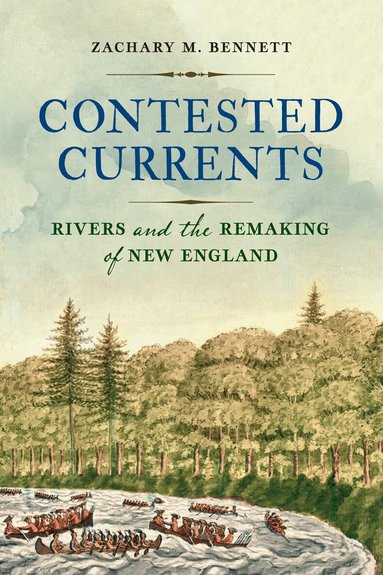
Contested Currents
474 krhos Bokus · exkl. frakt
145 kr skillnad mellan billigaste och dyraste butik i lager
Dubbelkollat idag
Jämför 2 butiker
- Bokus, 474 kr, frakt enligt butiken. Till butik (öppnas i ny flik)
I lagerFrakt: se butikenDubbelkollad 14:51
474 kr
Lägst
- Akademibokhandeln, 619 kr, frakt enligt butiken. Till butik (öppnas i ny flik)
I lagerFrakt: se butikenDubbelkollad 14:53
619 kr

Priser från butikernas flöden kan ha ändrats: det är priset hos butiken som gäller, så kontrollera det innan du handlar.
Prishistorik
Köp nu eller vänta?
Pris idag
474 kr
- Lägst
- 467 kr
- Snitt
- 483 kr
- Högst
- 609 kr
| 2026-10-05 | 609 kr · Lägst hos Akademibokhandeln |
|---|---|
| 2026-10-06 | 467 kr · Lägst hos Bokus |
| 2026-10-08 | 471 kr · Lägst hos Bokus |
| 2026-10-10 | 474 kr · Lägst hos Bokus |
| 2026-10-12 | 471 kr · Lägst hos Bokus |
| 2026-10-16 | 474 kr · Lägst hos Bokus |
Om produkten
Contested Currents
Läs merLäs mindre
A compelling history of New England told through its rivers and the Native Americans and colonists who depended on themIn Contested Currents, Zachary M. Bennett presents a new perspective on the history of New England by following its many rivers: how they shaped, and were shaped by, the people who struggled to control the region. Bennett explores how these waterways sustained Algonquian peoples for eons, their central role in English colonization projects during the seventeenth and eighteenth centuries, and their importance to early industrialization.Rivers provided people of the region with the salmon, shad, and herring that fed them; the nutrients that fertilized their crops; and the currents that bore their canoes for trading and communicating. Bennett describes how, at first, rivers facilitated connection and cooperation between English colonists and Algonquians. But the environmental degradation caused by colonists' dams, sawmills, and fishing practices soured these relationships, ultimately leading to violence.Contested Currents shows how New England's exceptionally steep, rushing rivers shaped Algonquian fishing, agriculture, and means of warfare. Bennett also uncovers how the geographical differences between the western and eastern frontiers of the region influenced the trajectories of violent altercations throughout the colonial period. In the end, Bennett argues, the harnessing of a river's energy to produce commodities for trade spared no room for either the mobile and reciprocal lifeways of indigenous people or colonists' visions of sustainable family farms. By tracing how the use of waterpower changed over time from a communal life-giving force to merely a resource to be exploited, Contested Currents uncovers a new story about the origins of capitalism and the environmental movement in America.