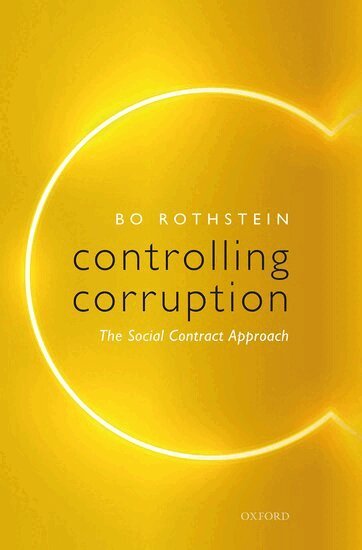
Controlling Corruption
- Vikt 0,32 kg
535 krhos Bokus · exkl. frakt
164 kr skillnad mellan billigaste och dyraste butik i lager
Dubbelkollade priser
Jämför 3 butiker
- Bokus, 535 kr, frakt enligt butiken. Till butik (öppnas i ny flik)
I lagerFrakt: se butikenDubbelkollad 05:51
535 kr
Lägst
- Akademibokhandeln, 699 kr, frakt enligt butiken. Till butik (öppnas i ny flik)
I lagerFrakt: se butikenDubbelkollad 05:53
699 kr
- Adlibris, 523 kr, frakt enligt butiken. Till butik (öppnas i ny flik)
Slut i lagerFrakt: se butikenDubbelkollad 27 okt. 09:10
523 kr


Priser från butikernas flöden kan ha ändrats: det är priset hos butiken som gäller, så kontrollera det innan du handlar.
Prishistorik
Köp nu eller vänta?
Just nu kostar produkten 535 kr — 18 kr över det lägsta vi sett på 1 månad.
Under den tiden har det oftast legat runt 520–540 kr.
Pris idag
535 kr
- Lägst
- 517 kr
- Snitt
- 528 kr
- Högst
- 535 kr
| 2026-09-15 | 517 kr · Lägst hos Adlibris |
|---|---|
| 2026-09-16 | 523 kr · Lägst hos Bokus |
| 2026-10-12 | 535 kr · Lägst hos Bokus |
Om produkten
Controlling Corruption
Läs merLäs mindre
This book presents a radically new approach of how societies can bring corruption under control. Since the late 1990s, the detrimental effects of corruption to human well-being have become well established in research. This has resulted in a stark increase in anti-corruption programs launched by international organizations such as the World Bank, the African Union, the EU, as well as many national development organizations. Despite these efforts, evaluations of the effects of these anti-corruption programs have been disappointing. As it can be measured, it is difficult to find substantial effects from such anti-corruption programs. The argument in this book is that this huge policy failure can be explained by three factors. Firstly, it argues that the corruption problem has been poorly conceptualized since what should count as the opposite of corruption has been left out. Secondly, the problem has been located in the wrong social spaces. It is neither a cultural nor a legal problem. Instead, it is for the most part located in what organization theory defines as the 'standard operating procedures' in social organizations. Thirdly, the general theory that has dominated anti-corruption efforts -- the principal-agent theory -- is based on serious misspecification of the basic nature of the problem. The book presents a reconceptualization of corruption and a new theory -- drawing on the tradition of the social contract - to explain it and motivate policies of how to get corruption under control. Several empirical cases serve to underpin this new theory ranging from the historical organization of religious practices to specific social policies, universal education, gender equality, and auditing. Combined, these amount to a strategic theory known as 'the indirect approach'.
Specifikationer
Fakta
- Vikt
- 0,32 kg
- GTIN
- 09780192894915
Uppgifter från tillverkare och butiker.