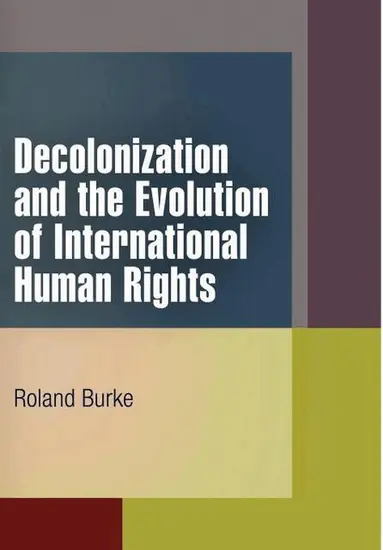
Decolonization and the Evolution of International Human Rights
- Vikt 0,36 kg
390 krhos Bokus · exkl. frakt
119 kr skillnad mellan billigaste och dyraste butik i lager
Dubbelkollat idag
Jämför 2 butiker
- Bokus, 390 kr, frakt enligt butiken. Till butik (öppnas i ny flik)
I lagerFrakt: se butikenDubbelkollad 14:51
390 kr
Lägst
- Akademibokhandeln, 509 kr, frakt enligt butiken. Till butik (öppnas i ny flik)
I lagerFrakt: se butikenDubbelkollad 14:53
509 kr

Priser från butikernas flöden kan ha ändrats: det är priset hos butiken som gäller, så kontrollera det innan du handlar.
Prishistorik
Köp nu eller vänta?
Just nu kostar produkten 390 kr — 9 kr över det lägsta vi sett på 1 månad.
Under den tiden har det oftast legat runt 380–390 kr.
Pris idag
390 kr
- Lägst
- 381 kr
- Snitt
- 386 kr
- Högst
- 391 kr
| 2026-09-15 | 386 kr · Lägst hos Bokus |
|---|---|
| 2026-09-17 | 383 kr · Lägst hos Bokus |
| 2026-09-20 | 382 kr · Lägst hos Bokus |
| 2026-09-23 | 383 kr · Lägst hos Bokus |
| 2026-09-24 | 382 kr · Lägst hos Bokus |
| 2026-09-27 | 381 kr · Lägst hos Bokus |
| 2026-09-30 | 382 kr · Lägst hos Bokus |
| 2026-10-02 | 384 kr · Lägst hos Bokus |
| 2026-10-03 | 385 kr · Lägst hos Bokus |
| 2026-10-04 | 386 kr · Lägst hos Bokus |
| 2026-10-08 | 390 kr · Lägst hos Bokus |
| 2026-10-09 | 389 kr · Lägst hos Bokus |
| 2026-10-11 | 388 kr · Lägst hos Bokus |
| 2026-10-12 | 387 kr · Lägst hos Bokus |
| 2026-10-16 | 389 kr · Lägst hos Bokus |
| 2026-10-18 | 388 kr · Lägst hos Bokus |
| 2026-10-24 | 389 kr · Lägst hos Bokus |
| 2026-10-28 | 391 kr · Lägst hos Bokus |
| 2026-10-29 | 390 kr · Lägst hos Bokus |
Om produkten
Decolonization and the Evolution of International Human Rights
Läs merLäs mindre
In the decades following the triumphant proclamation of the Universal Declaration of Human Rights in 1948, the UN General Assembly was transformed by the arrival of newly independent states from Asia, Africa, and the Middle East. This diverse constellation of states introduced new ideas, methods, and priorities to the human rights program. Their influence was magnified by the highly effective nature of Asian, Arab, and African diplomacy in the UN human rights bodies and the sheer numerical superiority of the so-called Afro-Asian bloc. Owing to the nature of General Assembly procedure, the Third World states dominated the human rights agenda, and enthusiastic support for universal human rights was replaced by decades of authoritarianism and an increasingly strident rejection of the ideas laid out in the Universal Declaration.In Decolonization and the Evolution of International Human Rights, Roland Burke explores the changing impact of decolonization on the UN human rights program. By recovering the contributions of those Asian, African, and Arab voices that joined the global rights debate, Burke demonstrates the central importance of Third World influence across the most pivotal battles in the United Nations, from those that secured the principle of universality, to the passage of the first binding human rights treaties, to the flawed but radical step of studying individual pleas for help. The very presence of so many independent voices from outside the West, and the often defensive nature of Western interventions, complicates the common presumption that the postwar human rights project was driven by Europe and the United States. Drawing on UN transcripts, archives, and the personal papers of key historical actors, this book challenges the notion that the international rights order was imposed on an unwilling and marginalized Third World. Far from being excluded, Asian, African, and Middle Eastern diplomats were powerful agents in both advancing and later obstructing the promotion of human rights.
Specifikationer
Fakta
- Vikt
- 0,36 kg
- GTIN
- 09780812222586
Uppgifter från tillverkare och butiker.