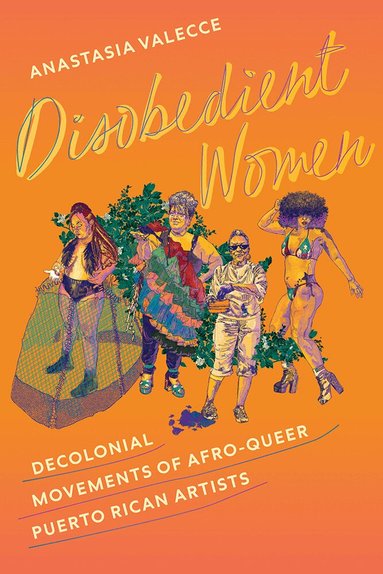
Disobedient Women
396 krhos Bokus · exkl. frakt
123 kr skillnad mellan billigaste och dyraste butik i lager
Dubbelkollat idag
Jämför 2 butiker
- Bokus, 396 kr, frakt enligt butiken. Till butik (öppnas i ny flik)
I lagerFrakt: se butikenDubbelkollad 07:51
396 kr
Lägst
- Akademibokhandeln, 519 kr, frakt enligt butiken. Till butik (öppnas i ny flik)
I lagerFrakt: se butikenDubbelkollad 07:53
519 kr

Priser från butikernas flöden kan ha ändrats: det är priset hos butiken som gäller, så kontrollera det innan du handlar.
Prishistorik
Köp nu eller vänta?
Just nu kostar produkten 396 kr — 1 kr över det lägsta vi sett på 3 veckor.
Under den tiden har det oftast legat runt 560 kr.
Pris idag
396 kr
- Lägst
- 395 kr
- Snitt
- 535 kr
- Högst
- 729 kr
| 2026-09-21 | 729 kr · Lägst hos Akademibokhandeln |
|---|---|
| 2026-09-22 | 560 kr · Lägst hos Bokus |
| 2026-10-11 | 580 kr · Lägst hos Bokus |
| 2026-10-12 | 509 kr · Lägst hos Akademibokhandeln |
| 2026-10-13 | 395 kr · Lägst hos Bokus |
| 2026-10-16 | 397 kr · Lägst hos Bokus |
| 2026-10-17 | 396 kr · Lägst hos Bokus |
Om produkten
Disobedient Women
Läs merLäs mindre
Spotlighting the rebellious performances and artistic works of Afro-queer women in Puerto RicoIn Disobedient Women, Anastasia Valecce centers the voices and aesthetics of four contemporary Afro-queer Puerto Rican artists-Gisela Rosario Ramos (Macha Colón), Awilda Rodríguez Lora, Helen Ceballos, and Awilda Sterling-Duprey. Valecce shows how these women have used performance, visual art, and activism to resist colonial, racial, and gender oppression on the archipelago.Puerto Rico's colonial relationship with the United States persists, reinforced by recent austerity measures imposed by the US, infrastructure collapse, and the devastation of Hurricanes Irma and Maria. Within this context, Afro-queer women face heightened vulnerability under intersecting systems of colonialism, patriarchy, and heteronormativity. Valecce explores how the four artists in this book challenge dominant narratives of nationhood, family, and identity while opening space for new forms of collective resistance, queer kinship, and Afro-Caribbean embodiment.Addressing urgent themes such as imperialism, displacement, gender violence, and cultural erasure, Valecce demonstrates how these artists transform crisis into resistance and how their creative practices are both deeply personal and radically political. Through embodied disobedience, they offer tools for collective survival and envision futures amid neglect and historical trauma. This book offers a powerful archive of rebellion, care, and creativity.