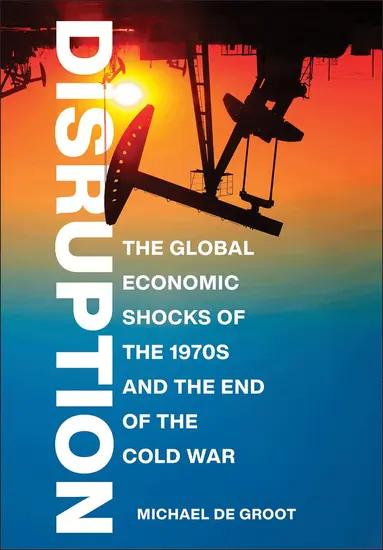
Disruption
- Vikt 0,65 kg
674 krhos Bokus · exkl. frakt
205 kr skillnad mellan billigaste och dyraste butik i lager
Dubbelkollade priser
Jämför 3 butiker
- Bokus, 674 kr, frakt enligt butiken. Till butik (öppnas i ny flik)
I lagerFrakt: se butikenDubbelkollad 08:51
674 kr
Lägst
- Akademibokhandeln, 879 kr, frakt enligt butiken. Till butik (öppnas i ny flik)
I lagerFrakt: se butikenDubbelkollad 08:53
879 kr
- Adlibris, 49 kr plus 35 kr frakt. Till butik (öppnas i ny flik)
Slut i lagerFrakt 35 krDubbelkollad 27 okt. 09:10
49 kr


Priser från butikernas flöden kan ha ändrats: det är priset hos butiken som gäller, så kontrollera det innan du handlar.
Prishistorik
Köp nu eller vänta?
Just nu kostar produkten 674 kr — 10 kr över det lägsta vi sett på 1 månad.
Under den tiden har det oftast legat runt 670–680 kr.
Pris idag
674 kr
- Lägst
- 664 kr
- Snitt
- 673 kr
- Högst
- 680 kr
| 2026-09-15 | 673 kr · Lägst hos Bokus |
|---|---|
| 2026-09-17 | 668 kr · Lägst hos Bokus |
| 2026-09-19 | 667 kr · Lägst hos Bokus |
| 2026-09-20 | 666 kr · Lägst hos Bokus |
| 2026-09-25 | 664 kr · Lägst hos Bokus |
| 2026-09-30 | 665 kr · Lägst hos Bokus |
| 2026-10-02 | 669 kr · Lägst hos Bokus |
| 2026-10-03 | 670 kr · Lägst hos Bokus |
| 2026-10-04 | 672 kr · Lägst hos Bokus |
| 2026-10-08 | 680 kr · Lägst hos Bokus |
| 2026-10-10 | 679 kr · Lägst hos Bokus |
| 2026-10-12 | 674 kr · Lägst hos Bokus |
| 2026-10-16 | 678 kr · Lägst hos Bokus |
| 2026-10-17 | 677 kr · Lägst hos Bokus |
| 2026-10-18 | 676 kr · Lägst hos Bokus |
| 2026-10-22 | 675 kr · Lägst hos Bokus |
| 2026-10-24 | 678 kr · Lägst hos Bokus |
| 2026-10-27 | 679 kr · Lägst hos Bokus |
| 2026-10-28 | 680 kr · Lägst hos Bokus |
| 2026-11-01 | 674 kr · Lägst hos Bokus |
Om produkten
Disruption
Läs merLäs mindre
In Disruption, Michael De Groot argues that the global economic upheaval of the 1970s was decisive in ending the Cold War. Both the West and the Soviet bloc struggled with the slowdown of economic growth; chaos in the international monetary system; inflation; shocks in the commodities markets; and the emergence of offshore financial markets. The superpowers had previously disseminated resources to their allies to enhance their own national security, but the disappearance of postwar conditions during the 1970s forced Washington and Moscow to choose between promoting their own economic interests and supporting their partners in Europe and Asia. De Groot shows that new unexpected macroeconomic imbalances in global capitalism sustained the West during the following decade. Rather than a creditor nation and net exporter, as it had been during the postwar period, the United States became a net importer of capital and goods during the 1980s that helped fund public spending, stimulated economic activity, and lubricated the private sector. The United States could now live beyond its means and continue waging the Cold War, and its allies benefited from access to the booming US market and the strengthened US military umbrella. As Disruption demonstrates, a new symbiotic economic architecture powered the West, but the Eastern European regimes increasingly became a burden to the Soviet Union. They were drowning in debt, and the Kremlin no longer had the resources to rescue them.
Specifikationer
Fakta
- Vikt
- 0,65 kg
- GTIN
- 09781501774119
Uppgifter från tillverkare och butiker.