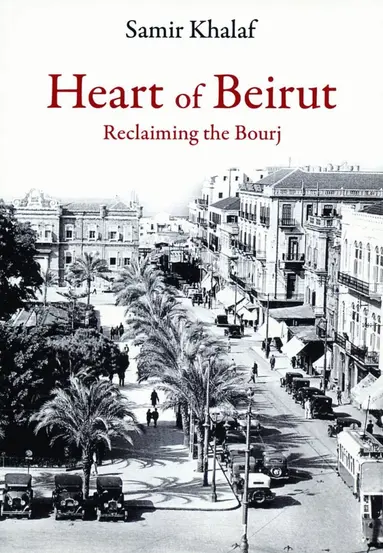
Heart of Beirut
- Vikt 0,49 kg
164 krhos Bokus · exkl. frakt
45 kr skillnad mellan billigaste och dyraste butik i lager
Dubbelkollade priser
Jämför 3 butiker
- Bokus, 164 kr, frakt enligt butiken. Till butik (öppnas i ny flik)
I lagerFrakt: se butikenDubbelkollad 14:51
164 kr
Lägst
- Akademibokhandeln, 209 kr, frakt enligt butiken. Till butik (öppnas i ny flik)
I lagerFrakt: se butikenDubbelkollad 14:53
209 kr
- Adlibris, 195 kr plus 35 kr frakt. Till butik (öppnas i ny flik)
Slut i lagerFrakt 35 krDubbelkollad 27 okt. 09:10
195 kr


Priser från butikernas flöden kan ha ändrats: det är priset hos butiken som gäller, så kontrollera det innan du handlar.
Prishistorik
Köp nu eller vänta?
Just nu kostar produkten 164 kr — 3 kr över det lägsta vi sett på 1 månad.
Under den tiden har det oftast legat runt 160 kr.
Pris idag
164 kr
- Lägst
- 161 kr
- Snitt
- 163 kr
- Högst
- 164 kr
| 2026-09-15 | 161 kr · Lägst hos Bokus |
|---|---|
| 2026-09-18 | 162 kr · Lägst hos Bokus |
| 2026-09-25 | 161 kr · Lägst hos Bokus |
| 2026-09-30 | 162 kr · Lägst hos Bokus |
| 2026-10-02 | 163 kr · Lägst hos Bokus |
| 2026-10-08 | 164 kr · Lägst hos Bokus |
| 2026-10-10 | 163 kr · Lägst hos Bokus |
| 2026-10-12 | 162 kr · Lägst hos Bokus |
| 2026-10-16 | 163 kr · Lägst hos Bokus |
| 2026-10-22 | 162 kr · Lägst hos Bokus |
| 2026-10-24 | 163 kr · Lägst hos Bokus |
| 2026-10-28 | 164 kr · Lägst hos Bokus |
Om produkten
Heart of Beirut
Läs merLäs mindre
The Bourj in central Beirut is one of the world's oldest and most vibrant public squares. Named after the mediaeval lookout tower that once soared above the city's imposing ramparts, the square has also been known as Place des Canons (after a Russian artillery build-up in 1773) and Martyrs' Square (after the Ottoman execution of nationalists in 1916). As an open museum of civilizations, it resonates with influences from ancient Phoenician to colonial, post-colonial and, as of late, postmodern elements. Over the centuries it has come to embody pluralism and tolerance. During the Lebanese civil war (1975-90), this ebullient entertainment district, transport hub and melting-pot of cultures was ruptured by the notorious Green Line, which split the city into belligerent warring factions. Fractious infighting and punishing Israeli air raids compounded the damage, turning the Bourj into a no-man's-land. In the wake of former Prime Minister Rafik al-Hariri's assassination (14 February 2005), the Bourj witnessed extraordinary scenes of popular, multi-faith and cross-generational protest. Once again, Samir Khalaf argues, the heart of Beirut was poised to re-invent itself as an open space in which diverse groups can celebrate their differences without indifference to the other. By revisiting earlier episodes in the Bourj's numerous transformations of its collective identity, Khalaf explores prospects for neutralizing the disheartening symptoms of reawakened religiosity and commodified consumerism.
Specifikationer
Fakta
- Vikt
- 0,49 kg
- GTIN
- 09780863565427
Uppgifter från tillverkare och butiker.