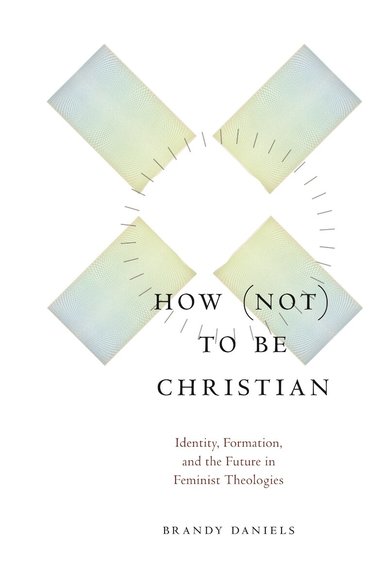
How not to Be Christian
2 437 krhos Bokus · exkl. frakt
732 kr skillnad mellan billigaste och dyraste butik i lager
Dubbelkollat idag
Jämför 2 butiker
- Bokus, 2 437 kr, frakt enligt butiken. Till butik (öppnas i ny flik)
I lagerFrakt: se butikenDubbelkollad 06:51
2 437 kr
Lägst
- Akademibokhandeln, 3 169 kr, frakt enligt butiken. Till butik (öppnas i ny flik)
I lagerFrakt: se butikenDubbelkollad 06:53
3 169 kr

Priser från butikernas flöden kan ha ändrats: det är priset hos butiken som gäller, så kontrollera det innan du handlar.
Prishistorik
Köp nu eller vänta?
Pris idag
2 437 kr
- Lägst
- 1 805 kr
- Snitt
- 2 297 kr
- Högst
- 2 437 kr
| 2026-10-09 | 1 805 kr · Lägst hos Bokus |
|---|---|
| 2026-10-11 | 2 437 kr · Lägst hos Bokus |
Om produkten
How not to Be Christian
Läs merLäs mindre
Draws on queer theories of temporality and subjectivity to challenge the telos of a singular Christian identity within feminist theological accounts of formationHow Not to be Christian theologically and theoretically explores ethical and political questions around identity and intersectionality. How do we think about our identities theologically? How do we think about how the different aspects of our identities relate to each other theologically? And, how do we think about religious identity in relation to other social identities? In particular, this project explores formation-how we become selves with identities. It examines how theologians have turned to formation in the pursuit of a generous orthodoxy, exploring how a diverse range of theologians and ethicists shaped by postliberalism have looked to Christian identity as an ethical resource in the pursuit of inclusion and justice with regards to other social identities-what this project refers to as forms of intrasubjective difference. Focusing particularly on prominent feminist and queer theologies (looking to the work of Elizabeth Stuart, Sarah Coakley, and Serene Jones), this book critically examines how they presume and posit a singular, stable vision of religious identity as the telos to which gender and sexual identities must bend. It argues that the gender and sexual difference they aim to make space for is effaced by and subsumed into Christian identity. Engaging with poststructuralist thought (especially the work of Michel Foucault) and queer theories around performativity (Judith Butler) and temporality (Lee Edelman and José Esteban Muñoz), as well as theological reflections on method, anthropology, and sin, this book considers both the limits and costs of the teleological thrust underlying these accounts of formation. From there, it explores the possibilities of unformation, and (de)constructively considers what it might mean to pursue unformation in both theological method and ethics-in how we do theology and in how we live.