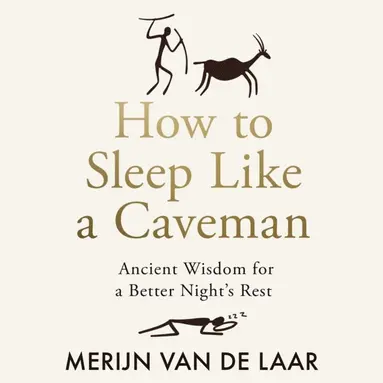
How to Sleep Like a Caveman
Dubbelkollat idag
Jämför 1 butik
- Bokus, 196 kr, frakt enligt butiken. Till butik (öppnas i ny flik)
I lagerFrakt: se butikenDubbelkollad 09:51
196 kr
Lägst

Priser från butikernas flöden kan ha ändrats: det är priset hos butiken som gäller, så kontrollera det innan du handlar.
Prishistorik
Köp nu eller vänta?
Just nu kostar produkten 196 kr — 4 kr över det lägsta vi sett på 1 månad.
Pris idag
196 kr
- Lägst
- 192 kr
- Snitt
- 194 kr
- Högst
- 196 kr
| 2026-09-15 | 192 kr · Lägst hos Bokus |
|---|---|
| 2026-10-11 | 196 kr · Lägst hos Bokus |
Om produkten
How to Sleep Like a Caveman
Läs merLäs mindre
Sleep has hardly changed since Paleolithic humans snoozed soundly in their caves. While sabre-toothed tigers were their biggest night-time worry, today it's stress and social media that keep us awake, but the solutions are the same, and sleep therapist Dr Merijn van de Laar offers understanding and advice to have you sleeping better within weeks.How to get a better night's sleep in 3 weeks:Don't believe everything you read or hear about sleepLet go of the 8-hour ruleUse the simple sleep diary in the back of this book to record your sleep pattern over 3 weeksDiscover your personal sleep needsExamine your attitude towards lying awake at nightShorter total bed times might be betterFocus on the reason for lying awake rather than on the reason for not sleepingReduce stressKeep regular bedtimesFollow the rules of natureRespect your personal circadian rhythmDon't tempt the night-time ghostsHuman sleep as we know it today evolved hundreds of thousands years ago, to suit a hunter-gatherer lifestyle. It's not always compatible with our modern lives, but remains an essential function, vital for our health, well-being and daytime functioning. In this groundbreaking new book, Dr Merijn van de Laar investigates the origins of sleep based on archaeological findings and anthropological studies in contemporary hunter-gatherers, looking at the major discrepancies between our primordial bodily needs and our current sleep-inhibiting behaviour.Cave dwellers lived in balance with the forces of nature. They had adapted perfectly to environmental influences such as light, temperature and seasonal variations. The way they ate and moved during the day must have had a positive effect on sleep quality. We need to look to their example, and adjust our eating, exercise, light, temperature and, last but not least: our expectations towards sleep. By taking on board the ancient wisdom of our ancestors, we will improve the quality of our sleep, the way our bodies were designed to do it.