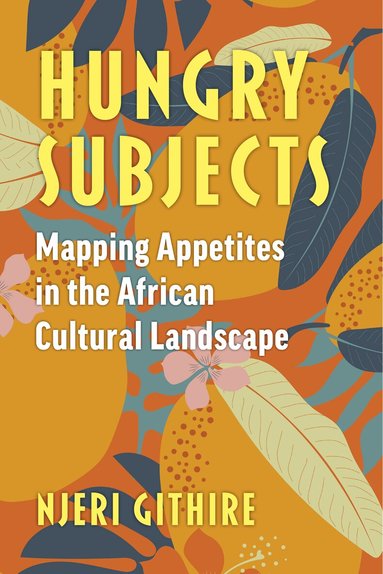
Hungry Subjects
441 krhos Bokus · exkl. frakt
128 kr skillnad mellan billigaste och dyraste butik i lager
Dubbelkollade priser
Jämför 2 butiker
- Bokus, 441 kr, frakt enligt butiken. Till butik (öppnas i ny flik)
I lagerFrakt: se butikenDubbelkollad 16 okt. 23:51
441 kr
Lägst
- Akademibokhandeln, 569 kr, frakt enligt butiken. Till butik (öppnas i ny flik)
I lagerFrakt: se butikenDubbelkollad 16 okt. 23:53
569 kr

Priser från butikernas flöden kan ha ändrats: det är priset hos butiken som gäller, så kontrollera det innan du handlar.
Prishistorik
Köp nu eller vänta?
Just nu kostar produkten 441 kr — 2 kr över det lägsta vi sett på 2 veckor.
Under den tiden har det oftast legat runt 440–600 kr.
Pris idag
441 kr
- Lägst
- 439 kr
- Snitt
- 561 kr
- Högst
- 779 kr
| 2026-09-26 | 779 kr · Lägst hos Akademibokhandeln |
|---|---|
| 2026-09-27 | 599 kr · Lägst hos Bokus |
| 2026-10-10 | 569 kr · Lägst hos Akademibokhandeln |
| 2026-10-11 | 440 kr · Lägst hos Bokus |
| 2026-10-13 | 439 kr · Lägst hos Bokus |
| 2026-10-16 | 441 kr · Lägst hos Bokus |
Om produkten
Hungry Subjects
Läs merLäs mindre
Against the backdrop of media representations of Africa through persistent and pervasive images of emaciated, starving Africans and the critical need to marshall food aid in response, Hungry Subjects places Africa's food anxiety within a broader historical context and expands ongoing food scholarship beyond its current confines in the social sciences. Njeri Githire weaves together coming-of-age texts across the African and African diasporic literary landscape in English, French, and Portuguese expression to ask how African writers incorporate food into their storylines to transmit cultural information, question norms, and propose alternatives. Eating is an intimately personal yet inherently social experience codified by public rituals and commerce, invariably linked to a larger tapestry of historical, cultural, economic, and political dynamics. Delving into the political dynamics of food as a tool of power and control alongside subversive potentialities, Hungry Subjects appraises the narrative and political thrust of (not-)eating and exposes the ways in which postcolonial manifestations of colonial-era power relations are symbolized in food's many functions and meanings.