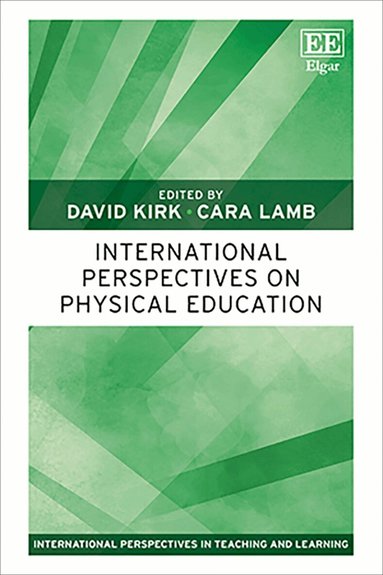
International Perspectives on Physical Education
1 933 krhos Bokus · exkl. frakt
576 kr skillnad mellan billigaste och dyraste butik i lager
Dubbelkollat idag
Jämför 2 butiker
- Bokus, 1 933 kr, frakt enligt butiken. Till butik (öppnas i ny flik)
I lagerFrakt: se butikenDubbelkollad 14:51
1 933 kr
Lägst
- Akademibokhandeln, 2 509 kr, frakt enligt butiken. Till butik (öppnas i ny flik)
I lagerFrakt: se butikenDubbelkollad 14:53
2 509 kr

Priser från butikernas flöden kan ha ändrats: det är priset hos butiken som gäller, så kontrollera det innan du handlar.
Prishistorik
Köp nu eller vänta?
Pris idag
1 933 kr
- Lägst
- 1 926 kr
- Snitt
- 2 024 kr
- Högst
- 2 499 kr
| 2026-10-12 | 2 499 kr · Lägst hos Akademibokhandeln |
|---|---|
| 2026-10-13 | 1 926 kr · Lägst hos Bokus |
| 2026-10-16 | 1 933 kr · Lägst hos Bokus |
Om produkten
International Perspectives on Physical Education
Läs merLäs mindre
This comprehensive book explores the challenges and opportunities presented by innovations in physical education. Employing unique case studies from diverse national, cultural and institutional settings, leading experts explore what can be learned from attempts to disrupt entrenched teaching practices.Contributing authors consider traditional physical and health education in local contexts and outline alternative approaches, while examining the successes and setbacks of these innovations to inform future practice. Chapters explore the concept of pedagogical models and their enactment; models-based practice; teachers, collaboration and professional learning; and health education and physical literacy. The book demonstrates that the challenge lies not in a lack of research-informed alternatives to multi-activity, sport technique-based approaches, but in understanding the cultural and political conditions under which these alternatives can be sustained.International Perspectives on Physical Education is a key resource for scholars and students of physical education and sport pedagogy seeking a range of insights into the reshaping of physical education. Education policymakers and practitioners will also benefit from accounts of successful strategies for overcoming the obstacles of enacting non-traditional methods.