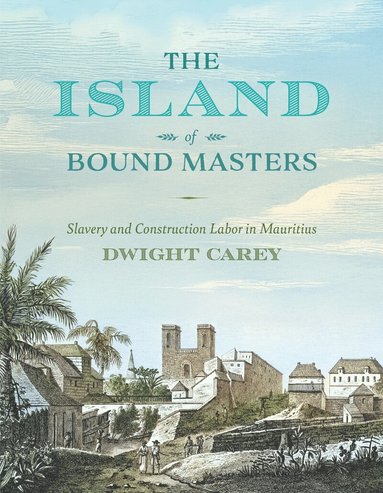
Island of Bound Masters
Dubbelkollat idag
Jämför 2 butiker
- Bokus, 1 452 kr, frakt enligt butiken. Till butik (öppnas i ny flik)
I lagerFrakt: se butikenDubbelkollad 21:51
1 452 kr
Lägst
- Akademibokhandeln, 1 889 kr, frakt enligt butiken. Till butik (öppnas i ny flik)
Slut i lagerFrakt: se butikenDubbelkollad 21:53
1 889 kr

Priser från butikernas flöden kan ha ändrats: det är priset hos butiken som gäller, så kontrollera det innan du handlar.
Prishistorik
Köp nu eller vänta?
Pris idag
1 452 kr
- Lägst
- 1 444 kr
- Snitt
- 1 545 kr
- Högst
- 1 889 kr
| 2026-10-08 | 1 889 kr · Lägst hos Akademibokhandeln |
|---|---|
| 2026-10-09 | 1 452 kr · Lägst hos Bokus |
| 2026-10-11 | Ingen butik hade produkten i lager |
| 2026-10-12 | 1 879 kr · Lägst hos Akademibokhandeln |
| 2026-10-13 | 1 444 kr · Lägst hos Bokus |
| 2026-10-16 | 1 452 kr · Lägst hos Bokus |
Om produkten
Island of Bound Masters
Läs merLäs mindre
How enslaved workers provided the labor as well as the architectural expertise needed to build and sustain MauritiusUnlike most other sites of European colonialism, the Indian Ocean island of Mauritius had no indigenous population when the French set out to incorporate it into their imperial network. How, then, did its development differ from other colonial enterprises? And what lessons does that story hold? The Island of Bound Masters is an innovative and multifaceted history of the enslaved Africans and Indians who turned local basalt, coral, earth, and wood into economically viable built environments on Mauritius in the eighteenth and nineteenth centuries.Dwight Carey shows how the labor and the ecological building knowledge of enslaved workers from overseas transformed the island's terrestrial resources into functional domestic infrastructure and a commercial architecture that ensured the subsequent rise of a successful multicultural society. This groundbreaking book draws upon laboratory analyses of structural and ecological remnants, archival research, and insights from geological and botanical science. Its interdisciplinary approach captures the essence of the intangible heritage of Mauritius and reveals how the enslaved sustained life through the strength of their ecological knowledge and the force of their labor.