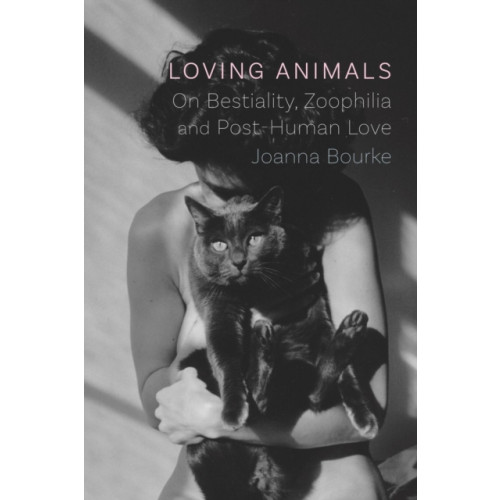
Loving Animals – On Bestiality, Zoophilia and Post–Human Love
Bra pris nuLägsta priset på 1 månad
229 kr249 kr−8% senaste veckanhos Buyersclub · exkl. frakt
Jämfört med det lägsta pris vi sett de 30 dagarna före sänkningen.
40 kr skillnad mellan billigaste och dyraste butik i lager
Dubbelkollade priser
Jämför 3 butiker
- Buyersclub, 229 kr, frakt enligt butiken. Till butik (öppnas i ny flik)
I lagerKampanjFrakt: se butikenDubbelkollad 05:00
229 kr
Lägst
- Storytel Books, 269 kr, frakt enligt butiken. Till butik (öppnas i ny flik)
I lagerFrakt: se butikenDubbelkollad 21:00
269 kr
- Adlibris, 272 kr, frakt enligt butiken. Till butik (öppnas i ny flik)
Slut i lagerFrakt: se butikenDubbelkollad 27 okt. 09:10
272 kr



Priser från butikernas flöden kan ha ändrats: det är priset hos butiken som gäller, så kontrollera det innan du handlar.
Prishistorik
Köp nu eller vänta?
Just nu kostar produkten 229 kr — det lägsta vi sett på 1 månad.
Under den tiden har det oftast legat runt 250–280 kr.
Pris idag
229 kr
- Lägst
- 229 kr
- Snitt
- 264 kr
- Högst
- 277 kr
| 2026-09-15 | 249 kr · Lägst hos Buyersclub |
|---|---|
| 2026-09-25 | 277 kr · Lägst hos Adlibris |
| 2026-10-06 | Ingen butik hade produkten i lager |
| 2026-10-08 | 272 kr · Lägst hos Adlibris |
| 2026-10-24 | 249 kr · Lägst hos Storytel Books |
| 2026-10-26 | 249 kr · Lägst hos Buyersclub |
| 2026-10-28 | 229 kr · Lägst hos Buyersclub |
Om produkten
Loving Animals – On Bestiality, Zoophilia and Post–Human Love
Läs merLäs mindre
Sexual contact with non-human animals is one of the last taboos but, for a practice that is generally regarded as abhorrent, it is remarkable how many books, films, plays, paintings and photographs depict the subject. In this book renowned historian Joanna Bourke explores the history of human-animal sexuality and examines how the meanings of the words ‘bestiality’ or ‘zoophilia’ have changed. Are people who are sexually attracted to non-human animals psychiatrically ill, or are they normal people who happen to have a minority sexual orientation? How are we to understand human-animal love, as well as other issues within the discourse surrounding sexuality, such as violence, consent and abuse? This book draws queer theory, post-human philosophy, disability studies and the history of the senses into the debate to ask, what would an ethics of animal loving look like? What does it mean to love non-human animals? More pertinently: what does it mean to love?