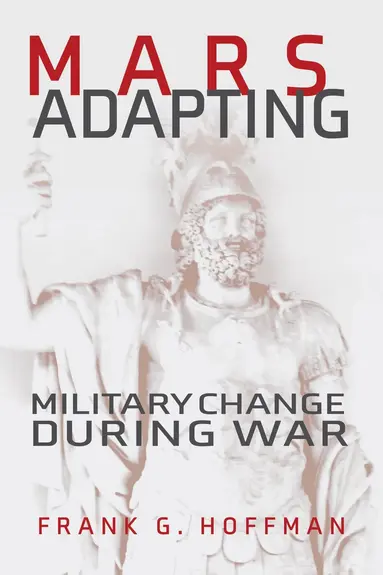
Mars Adapting
- Vikt 0,56 kg
338 krhos Bokus · exkl. frakt
101 kr skillnad mellan billigaste och dyraste butik i lager
Dubbelkollade priser
Jämför 3 butiker
- Bokus, 338 kr, frakt enligt butiken. Till butik (öppnas i ny flik)
I lagerFrakt: se butikenDubbelkollad 07:51
338 kr
Lägst
- Akademibokhandeln, 439 kr, frakt enligt butiken. Till butik (öppnas i ny flik)
I lagerFrakt: se butikenDubbelkollad 07:53
439 kr
- Adlibris, 356 kr, frakt enligt butiken. Till butik (öppnas i ny flik)
Slut i lagerFrakt: se butikenDubbelkollad 27 okt. 09:10
356 kr


Priser från butikernas flöden kan ha ändrats: det är priset hos butiken som gäller, så kontrollera det innan du handlar.
Prishistorik
Köp nu eller vänta?
Just nu kostar produkten 338 kr — 19 kr över det lägsta vi sett på 1 månad.
Under den tiden har det oftast legat runt 320–330 kr.
Pris idag
338 kr
- Lägst
- 319 kr
- Snitt
- 324 kr
- Högst
- 338 kr
| 2026-09-15 | 319 kr · Lägst hos Bokus |
|---|---|
| 2026-10-12 | 326 kr · Lägst hos Bokus |
| 2026-10-24 | 338 kr · Lägst hos Bokus |
Om produkten
Mars Adapting
Läs merLäs mindre
As Clausewitz observed, "In war more than anywhere else, things do not turn out as we expect." The essence of war is a competitive reciprocal relationship with an adversary. Commanders and institutional leaders must recognize shortfalls and resolve gaps rapidly in the middle of the fog of war. The side that reacts best (and absorbs faster) increases its chances of winning. Mars Adapting examines what makes some military organizations better at this contest than others. It explores the institutional characteristics or attributes at play in learning quickly. Adaptation requires a dynamic process of acquiring knowledge, the utilization of that knowledge to alter a unit's skills, and the sharing of that learning to other units to integrate and institutionalize better operational practice.Mars Adapting explores the internal institutional factors that promote and enable military adaptation. It employs four cases, drawing upon one from each of the U.S. armed services. Each case was an extensive campaign, with several cycles of action/counteraction. In each case the military institution entered the war with an existing mental model of the war they expected to fight. For example, the U.S. Navy prepared for decades to defeat the Japanese Imperial Navy and had developed carried-based aviation. Other capabilities, particularly the Fleet submarine, were applied as a major adaptation. The author establishes a theory called Organizational Learning Capacity that captures the transition of experience and knowledge from individuals into larger and higher levels of each military service through four major steps. The learning/change cycle is influenced, he argues, by four institutional attributes (leadership, organizational culture, learning mechanisms, and dissemination mechanisms). The dynamic interplay of these institutional enablers shaped their ability to perceive and change appropriately.
Specifikationer
Fakta
- Vikt
- 0,56 kg
- GTIN
- 09781557502254
Uppgifter från tillverkare och butiker.