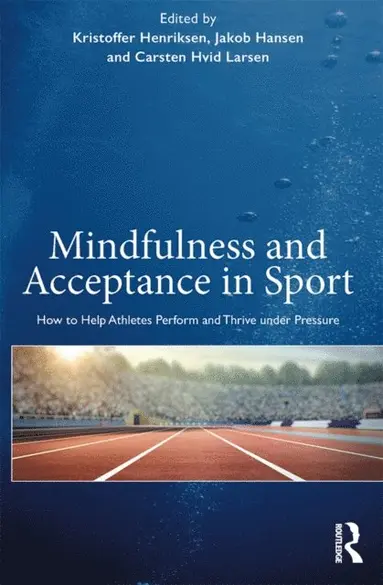
Mindfulness and Acceptance in Sport
Bra pris nuLägsta priset på 1 månad
757 krhos Bokus · exkl. frakt
Dubbelkollade priser
Jämför 2 butiker
- Bokus, 757 kr, frakt enligt butiken. Till butik (öppnas i ny flik)
I lagerFrakt: se butikenDubbelkollad 02:51
757 kr
Lägst
- Adlibris, 829 kr, frakt enligt butiken. Till butik (öppnas i ny flik)
Slut i lagerFrakt: se butikenDubbelkollad 27 okt. 09:10
829 kr


Priser från butikernas flöden kan ha ändrats: det är priset hos butiken som gäller, så kontrollera det innan du handlar.
Prishistorik
Köp nu eller vänta?
Just nu kostar produkten 757 kr — det lägsta vi sett på 1 månad.
Under den tiden har det oftast legat runt 760–820 kr.
Pris idag
757 kr
- Lägst
- 757 kr
- Snitt
- 793 kr
- Högst
- 842 kr
| 2026-09-15 | 823 kr · Lägst hos Bokus |
|---|---|
| 2026-10-06 | 842 kr · Lägst hos Bokus |
| 2026-10-08 | 829 kr · Lägst hos Adlibris |
| 2026-10-10 | 757 kr · Lägst hos Bokus |
Om produkten
Mindfulness and Acceptance in Sport
Läs merLäs mindre
Mindfulness- and acceptance-based approaches such as Acceptance and Commitment Therapy (ACT) and Mindfulness Acceptance Commitment (MAC) are gaining momentum with sport psychology practitioners who work to support elite athletes. These acceptance-based, or third wave, cognitive behavioral approaches in sport psychology highlight that thought suppression and control techniques can trigger a metacognitive scanning process, and that excessive cognitive activity and task-irrelevant focus (self-focused attention such as trying to change thoughts) disrupts performance. Using this perspective, the aim of sport psychology interventions is not to help the athletes engage in the futile task of managing and controlling internal life. Rather, it suggests that sport psychology practitioners should work to increase athletesâ€TM willingness to accept negative thoughts and emotions in pursuit of valued ends. Key aspects of such interventions include: teaching athletes to open up and accept, teaching athletes to mindfully engage in the present moment, and helping athletes formulate the values and engage in committed actions towards these values. The goal of Mindfulness and Acceptance in Sport: How to Help Athletes Perform and Thrive under Pressure then is to provide students, researchers, practitioners, and coaches of sport psychology with practical guidance for implementing mindfulness and acceptance approaches in their work with athletes. This book brings together highly experienced practitioners and shares their working methods, exercises, and cases to inspire the sport psychology profession.