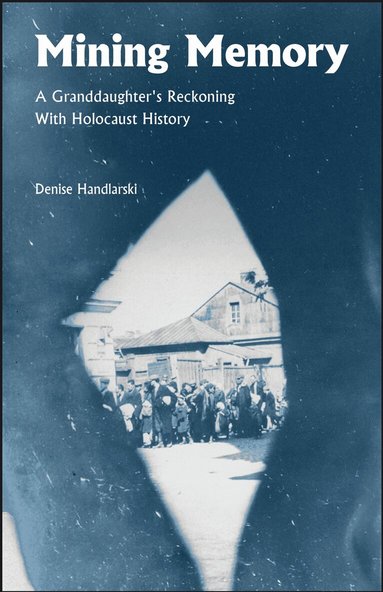
Mining Memory
238 krhos Bokus · exkl. frakt
71 kr skillnad mellan billigaste och dyraste butik i lager
Dubbelkollat idag
Jämför 2 butiker
- Bokus, 238 kr, frakt enligt butiken. Till butik (öppnas i ny flik)
I lagerFrakt: se butikenDubbelkollad 14:51
238 kr
Lägst
- Akademibokhandeln, 309 kr, frakt enligt butiken. Till butik (öppnas i ny flik)
I lagerFrakt: se butikenDubbelkollad 14:53
309 kr

Priser från butikernas flöden kan ha ändrats: det är priset hos butiken som gäller, så kontrollera det innan du handlar.
Prishistorik
Köp nu eller vänta?
Just nu kostar produkten 238 kr — 1 kr över det lägsta vi sett på 4 veckor.
Under den tiden har det oftast legat runt 270 kr.
Pris idag
238 kr
- Lägst
- 237 kr
- Snitt
- 266 kr
- Högst
- 349 kr
| 2026-09-18 | 349 kr · Lägst hos Akademibokhandeln |
|---|---|
| 2026-09-19 | 267 kr · Lägst hos Bokus |
| 2026-10-13 | 237 kr · Lägst hos Bokus |
| 2026-10-16 | 238 kr · Lägst hos Bokus |
Om produkten
Mining Memory
Läs merLäs mindre
In 2020, in the midst of COVID-19 lockdowns, Denise Handlarski learned of testimony given by her grandfather, a Holocaust survivor who she never knew. In his testimony, Jakub Handlarski accuses a Polish police officer of murdering his brother and sister prior to the Siedlce Ghetto liquidation. The author had never heard this story. She had no idea her grandfather had ever given this testimony. In fact, she knew very little about her grandparents' experience during the Holocaust.Despite Jakub's testimony, the police officer was acquitted. Why? And why had no one in the author's family ever mentioned this story? What does it mean when family history intersects with one of the greatest travesties of human history? The author sets off on a search through family stories, archives, and Holocaust history to try to uncover the truth of what happened to Jakub and his family.Mining Memory is as much about the search-the process of "doing" history and the people who do it, and what we can learn at the intersection of trauma, memory, and testimony-as it is about what the author found. This book aims to challenge the way historians write history and the way teachers teach it. Though scholarly, this is a deeply personal work that would have never happened without the chance discovery that led to so many questions. Handlarski confronts issues of objectivity in history, and her volume brings forth new interpretations of Holocaust history and testimony through the lens of the descendants of a survivor. Jakub's story may have been the prompt, but ultimately this book turns the lens on historians themselves as the subjects of historical research, not just history's arbiters.