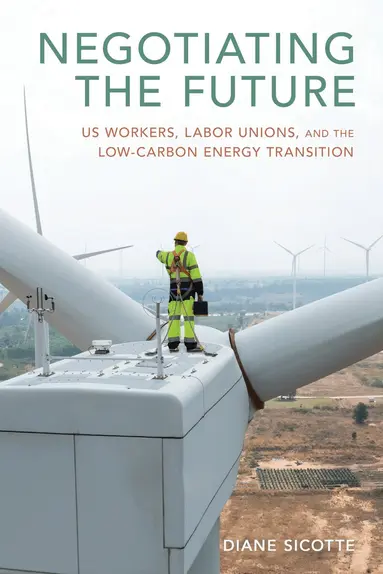
Negotiating the Future
348 krhos Bokus · exkl. frakt
101 kr skillnad mellan billigaste och dyraste butik i lager
Dubbelkollat idag
Jämför 2 butiker
- Bokus, 348 kr, frakt enligt butiken. Till butik (öppnas i ny flik)
I lagerFrakt: se butikenDubbelkollad 09:51
348 kr
Lägst
- Akademibokhandeln, 449 kr, frakt enligt butiken. Till butik (öppnas i ny flik)
I lagerFrakt: se butikenDubbelkollad 09:53
449 kr

Priser från butikernas flöden kan ha ändrats: det är priset hos butiken som gäller, så kontrollera det innan du handlar.
Prishistorik
Köp nu eller vänta?
Just nu kostar produkten 348 kr — 23 kr över det lägsta vi sett på 1 månad.
Under den tiden har det oftast legat runt 350–550 kr.
Pris idag
348 kr
- Lägst
- 325 kr
- Snitt
- 437 kr
- Högst
- 570 kr
| 2026-09-15 | 551 kr · Lägst hos Bokus |
|---|---|
| 2026-10-05 | 570 kr · Lägst hos Bokus |
| 2026-10-06 | 449 kr · Lägst hos Akademibokhandeln |
| 2026-10-07 | 344 kr · Lägst hos Bokus |
| 2026-10-10 | 347 kr · Lägst hos Bokus |
| 2026-10-12 | 345 kr · Lägst hos Bokus |
| 2026-10-16 | 347 kr · Lägst hos Bokus |
| 2026-10-17 | 325 kr · Lägst hos Bokus |
| 2026-10-21 | 346 kr · Lägst hos Bokus |
| 2026-10-22 | 345 kr · Lägst hos Bokus |
| 2026-10-24 | 347 kr · Lägst hos Bokus |
| 2026-10-28 | 348 kr · Lägst hos Bokus |
Om produkten
Negotiating the Future focuses on US labor and the just transition
Läs merLäs mindre
Fossil fuel workers are currently at risk for losing their jobs should the US curtail coal, natural gas and oil use. A just transition would support these workers and avoid imposing disproportionate shares of the costs of decarbonization on the poor, the working class, or people of color. While some unions are debating how a just low-carbon energy transition can be enacted, others are questioning whether a transition needs to take place at all. Diane Sicotte provides a detailed understanding of the role of labor in environmental change, beyond the "jobs vs. environment" framing. Negotiating the Future also contributes to ongoing debates in labor studies: about the best ways for labor unions to address conflicts between their members' long-term interests in environmental stability and their short-term material interests; how far solidarity should go when it means abetting obstacles to lowering carbon emissions, and how to ensure that the developing renewable energy industries enhance labor unions' power resources instead of diminishing them.