Power of Kings
- Vikt 0,54 kg
656 krhos Bokus · exkl. frakt
193 kr skillnad mellan billigaste och dyraste butik i lager
Dubbelkollade priser
Jämför 3 butiker
- Bokus, 656 kr, frakt enligt butiken. Till butik (öppnas i ny flik)
I lagerFrakt: se butikenDubbelkollad 15:51
656 kr
Lägst
- Akademibokhandeln, 849 kr, frakt enligt butiken. Till butik (öppnas i ny flik)
I lagerFrakt: se butikenDubbelkollad 15:53
849 kr
- Adlibris, 461 kr, frakt enligt butiken. Till butik (öppnas i ny flik)
Slut i lagerFrakt: se butikenDubbelkollad 27 okt. 09:10
461 kr


Priser från butikernas flöden kan ha ändrats: det är priset hos butiken som gäller, så kontrollera det innan du handlar.
Prishistorik
Köp nu eller vänta?
Just nu kostar produkten 656 kr — 195 kr över det lägsta vi sett på 1 månad.
Under den tiden har det oftast legat runt 460–660 kr.
Pris idag
656 kr
- Lägst
- 461 kr
- Snitt
- 561 kr
- Högst
- 656 kr
| 2026-09-15 | 461 kr · Lägst hos Adlibris |
|---|---|
| 2026-10-04 | 643 kr · Lägst hos Bokus |
| 2026-10-05 | 461 kr · Lägst hos Adlibris |
| 2026-10-09 | 643 kr · Lägst hos Bokus |
| 2026-10-13 | 656 kr · Lägst hos Bokus |
Om produkten
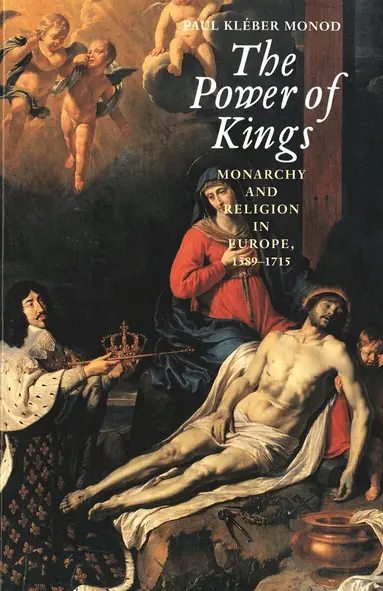
Power of Kings
Läs merLäs mindre
In the sixteenth century, the kings of Europe were like gods to their subjects. Within 150 years, however, this view of monarchs had altered dramatically: a king was the human, visible sign of the rational state. How did such a momentous shift in political understanding come about? This sweeping book explores the changing cultural significance of the power of European kings from the assassination of France's Henry III to the death of Louis XIV. Paul Kléber Monod draws on political history, political philosophy, anthropology, sociology, and literature to understand the relationship between kings and their political subjects and the interplay between monarchy and religion. He also makes use of 35 paintings and statues to illuminate the changing public images of kings.Discussing monarchies throughout Europe, from Britain to Russia, Monod tells how sixteenth-century kings and queens were thought to heal the sick with a touch, were mediators between divine authority and the Christian self in quasi-religious ceremonies, and were seen as ideal mirrors of human identity. By 1715, the sacred authority of the monarchy had been supplanted by an ideology fusing internal moral responsibility with external obedience to an abstract political authority. Subjects were expected to identify not with a sacred king but with the natural person of the ruler. No longer divine, the kings and queens of the Enlightenment took up a new, more human place in the hearts and minds of their subjects.
Specifikationer
Fakta
- Vikt
- 0,54 kg
- GTIN
- 09780300090666
Uppgifter från tillverkare och butiker.