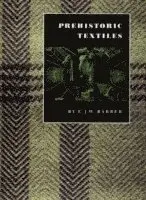
Prehistoric Textiles
- Vikt 1,04 kg
1 028 krhos Bokus · exkl. frakt
311 kr skillnad mellan billigaste och dyraste butik i lager
Dubbelkollat idag
Jämför 2 butiker
- Bokus, 1 028 kr, frakt enligt butiken. Till butik (öppnas i ny flik)
I lagerFrakt: se butikenDubbelkollad 04:51
1 028 kr
Lägst
- Akademibokhandeln, 1 339 kr, frakt enligt butiken. Till butik (öppnas i ny flik)
I lagerFrakt: se butikenDubbelkollad 04:53
1 339 kr

Priser från butikernas flöden kan ha ändrats: det är priset hos butiken som gäller, så kontrollera det innan du handlar.
Prishistorik
Köp nu eller vänta?
Just nu kostar produkten 1 028 kr — 238 kr över det lägsta vi sett på 1 månad.
Under den tiden har det oftast legat runt 790–1 030 kr.
Pris idag
1 028 kr
- Lägst
- 790 kr
- Snitt
- 940 kr
- Högst
- 1 028 kr
| 2026-09-15 | 1 028 kr · Lägst hos Bokus |
|---|---|
| 2026-10-09 | 794 kr · Lägst hos Bokus |
| 2026-10-16 | 795 kr · Lägst hos Bokus |
| 2026-10-17 | 794 kr · Lägst hos Bokus |
| 2026-10-20 | 1 028 kr · Lägst hos Bokus |
| 2026-10-26 | 790 kr · Lägst hos Bokus |
| 2026-10-28 | 792 kr · Lägst hos Bokus |
| 2026-10-30 | 793 kr · Lägst hos Bokus |
Om produkten
Prehistoric Textiles
Läs merLäs mindre
This pioneering work revises our notions of the origins and early development of textiles in Europe and the Near East. Using innovative linguistic techniques, along with methods from palaeobiology and other fields, it shows that spinning and pattern weaving began far earlier than has been supposed. Prehistoric Textiles made an unsurpassed leap in the social and cultural understanding of textiles in humankind's early history. Cloth making was an industry that consumed more time and effort, and was more culturally significant to prehistoric cultures, than anyone assumed before the book's publication. The textile industry is in fact older than pottery--and perhaps even older than agriculture and stockbreeding. It probably consumed far more hours of labor per year, in temperate climates, than did pottery and food production put together. And this work was done primarily by women. Up until the Industrial Revolution, and into this century in many peasant societies, women spent every available moment spinning, weaving, and sewing.The author, Elizabeth Wayland Barber, demonstrates command of an almost unbelievably disparate array of disciplines--from historical linguistics to archaeology and paleobiology, from art history to the practical art of weaving. Her passionate interest in the subject matter leaps out on every page. Barber, a professor of linguistics and archaeology, developed expert sewing and weaving skills as a small girl under her mother's tutelage. One could say she had been born and raised to write this book. Because modern textiles are almost entirely made by machines, we have difficulty appreciating how time-consuming and important the premodern textile industry was. This book opens our eyes to this crucial area of prehistoric human culture.
Specifikationer
Fakta
- Vikt
- 1,04 kg
- GTIN
- 09780691002248
Uppgifter från tillverkare och butiker.