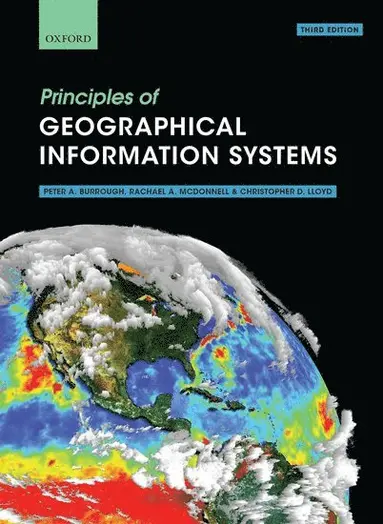
Principles of Geographical Information Systems
- Vikt 0,75 kg
832 krhos Bokus · exkl. frakt
247 kr skillnad mellan billigaste och dyraste butik i lager
Dubbelkollade priser
Jämför 5 butiker
- Bokus, 832 kr, frakt enligt butiken. Till butik (öppnas i ny flik)
I lagerFrakt: se butikenDubbelkollad 04:51
832 kr
Lägst
- Akademibokhandeln, 1 079 kr, frakt enligt butiken. Till butik (öppnas i ny flik)
I lagerFrakt: se butikenDubbelkollad 04:53
1 079 kr
- Buyersclub, 769 kr, frakt enligt butiken. Till butik (öppnas i ny flik)
Slut i lagerFrakt: se butikenDubbelkollad 22 okt. 06:26
769 kr
- Adlibris, 828 kr, frakt enligt butiken. Till butik (öppnas i ny flik)
Slut i lagerFrakt: se butikenDubbelkollad 05:10
828 kr
- Storytel Books, 909 kr, frakt enligt butiken. Till butik (öppnas i ny flik)
Slut i lagerFrakt: se butikenDubbelkollad 02:00
909 kr




Priser från butikernas flöden kan ha ändrats: det är priset hos butiken som gäller, så kontrollera det innan du handlar.
Prishistorik
Köp nu eller vänta?
Just nu kostar produkten 832 kr — 63 kr över det lägsta vi sett på 1 månad.
Under den tiden har det oftast legat runt 770 kr.
Pris idag
832 kr
- Lägst
- 769 kr
- Snitt
- 783 kr
- Högst
- 832 kr
| 2026-09-08 | 769 kr · Lägst hos Buyersclub |
|---|---|
| 2026-10-11 | 832 kr · Lägst hos Bokus |
| 2026-10-16 | 769 kr · Lägst hos Buyersclub |
| 2026-10-19 | 832 kr · Lägst hos Bokus |
Om produkten
Principles of Geographical Information Systems
Läs merLäs mindre
Geographical data are used in so many aspects of our lives today, ranging from disaster relief operations through to finding directions on our mobile phones. We can all be data collectors, adding locational information as we capture digitally our day-to-day experiences. Geographical Information Systems (GIS) are the software tools that facilitate this, turning the raw data into useful information that can help us understand our worlds better.Principles of Geographical Information Systems presents a thorough overview of the subject, exploring both the theoretical basis of GIS, and their use in practice. It explains how data on the world are converted into digital form and the analytical capabilities used to bring understanding to a range of areas of interest and issues. Spatial data are usually based on two, dichotomous paradigms: exactly defined entities in space, such as land parcels and urban structures, or the continuous variation of single attributes, such as temperature or rainfall. The adoption of one or the other influences how the geographical data are structured in the GIS and the types of analysis possible. A further area of focus in the book concerns the problems of data quality and how statistical errors in spatial data can affect the results of spatial modelling based on the two paradigms of space. Fuzzy logic and continuous classification methods are presented as methods for linking the two spatial paradigms. The book concludes with an overview of current developments and trends in providing spatial data to an ever-expanding global community of users.
Specifikationer
Fakta
- Vikt
- 0,75 kg
- GTIN
- 09780198742845
Uppgifter från tillverkare och butiker.