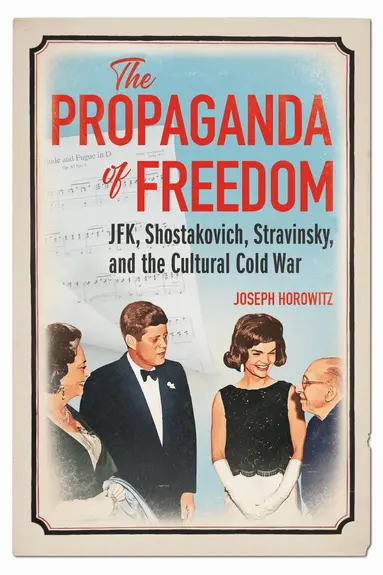
Propaganda of Freedom
- Vikt 0,55 kg
409 krhos Bokus · exkl. frakt
120 kr skillnad mellan billigaste och dyraste butik i lager
Dubbelkollade priser
Jämför 3 butiker
- Bokus, 409 kr, frakt enligt butiken. Till butik (öppnas i ny flik)
I lagerFrakt: se butikenDubbelkollad 15:51
409 kr
Lägst
- Akademibokhandeln, 529 kr, frakt enligt butiken. Till butik (öppnas i ny flik)
I lagerFrakt: se butikenDubbelkollad 15:53
529 kr
- Adlibris, 365 kr, frakt enligt butiken. Till butik (öppnas i ny flik)
Slut i lagerFrakt: se butikenDubbelkollad 27 okt. 09:10
365 kr


Priser från butikernas flöden kan ha ändrats: det är priset hos butiken som gäller, så kontrollera det innan du handlar.
Prishistorik
Köp nu eller vänta?
Just nu kostar produkten 409 kr — 44 kr över det lägsta vi sett på 1 månad.
Under den tiden har det oftast legat runt 370–410 kr.
Pris idag
409 kr
- Lägst
- 365 kr
- Snitt
- 390 kr
- Högst
- 413 kr
| 2026-09-15 | 365 kr · Lägst hos Adlibris |
|---|---|
| 2026-10-04 | 410 kr · Lägst hos Bokus |
| 2026-10-05 | 365 kr · Lägst hos Adlibris |
| 2026-10-08 | 410 kr · Lägst hos Bokus |
| 2026-10-10 | 412 kr · Lägst hos Bokus |
| 2026-10-11 | 411 kr · Lägst hos Bokus |
| 2026-10-13 | 409 kr · Lägst hos Bokus |
| 2026-10-16 | 411 kr · Lägst hos Bokus |
| 2026-10-18 | 410 kr · Lägst hos Bokus |
| 2026-10-27 | 412 kr · Lägst hos Bokus |
| 2026-10-28 | 413 kr · Lägst hos Bokus |
| 2026-10-30 | 411 kr · Lägst hos Bokus |
| 2026-11-01 | 409 kr · Lägst hos Bokus |
Om produkten
Propaganda of Freedom
Läs merLäs mindre
The perils of equating notions of freedom with artistic vitality Eloquently extolled by President John F. Kennedy, the idea that only artists in free societies can produce great art became a bedrock assumption of the Cold War. That this conviction defied centuries of historical evidence--to say nothing of achievements within the Soviet Union--failed to impact impregnable cultural Cold War doctrine. Joseph Horowitz writes: "That so many fine minds could have cheapened freedom by over-praising it, turning it into a reductionist propaganda mantra, is one measure of the intellectual cost of the Cold War." He shows how the efforts of the CIA-funded Congress for Cultural Freedom were distorted by an anti-totalitarian "psychology of exile" traceable to its secretary general, the displaced Russian aristocrat/composer Nicolas Nabokov, and to Nabokov's hero Igor Stravinsky. In counterpoint, Horowitz investigates personal, social, and political factors that actually shape the creative act. He here focuses on Stravinsky, who in Los Angeles experienced a "freedom not to matter," and Dmitri Shostakovich, who was both victim and beneficiary of Soviet cultural policies. He also takes a fresh look at cultural exchange and explores paradoxical similarities and differences framing the popularization of classical music in the Soviet Union and the United States. In closing, he assesses the Kennedy administration's arts advocacy initiatives and their pertinence to today's fraught American national identity. Challenging long-entrenched myths, The Propaganda of Freedom newly explores the tangled relationship between the ideology of freedom and ideals of cultural achievement.
Specifikationer
Fakta
- Vikt
- 0,55 kg
- GTIN
- 09780252045271
Uppgifter från tillverkare och butiker.