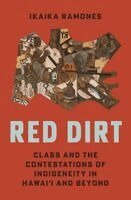
Red Dirt
510 krhos Bokus · exkl. frakt
149 kr skillnad mellan billigaste och dyraste butik i lager
Dubbelkollat idag
Jämför 2 butiker
- Bokus, 510 kr, frakt enligt butiken. Till butik (öppnas i ny flik)
I lagerFrakt: se butikenDubbelkollad 14:51
510 kr
Lägst
- Akademibokhandeln, 659 kr, frakt enligt butiken. Till butik (öppnas i ny flik)
I lagerFrakt: se butikenDubbelkollad 14:53
659 kr

Priser från butikernas flöden kan ha ändrats: det är priset hos butiken som gäller, så kontrollera det innan du handlar.
Prishistorik
Köp nu eller vänta?
Pris idag
510 kr
- Lägst
- 309 kr
- Snitt
- 459 kr
- Högst
- 510 kr
| 2026-10-07 | 399 kr · Lägst hos Akademibokhandeln |
|---|---|
| 2026-10-08 | 309 kr · Lägst hos Bokus |
| 2026-10-10 | 510 kr · Lägst hos Bokus |
Om produkten
Red Dirt
Läs merLäs mindre
How material conditions and social contradictions remake indigeneity Indigenous studies struggles to analyze class, yet class reshapes the cultural, political, and economic terrain of indigeneity. In Red Dirt, Ikaika Ramones goes beyond the usual conceptual frameworks of resistance and domination to explore the political-economic basis for Native Hawaiian social reproduction and revitalization. By doing so, he casts indigeneity as a contested process rather than reification, encompassing both grassroots revitalization efforts and large, multibillion-dollar Native organizations.Ramones offers a class analysis that shifts the theorization of indigeneity away from the metaphysical and idealist methodologies of the academy to trace social contradictions and material conditions instead. He counters the notion of Native culture as a coherent given, disentangling different strains of "Native Hawaiian culture"-an elite strain that depoliticizes and buttresses the status quo and grassroots strains that politicize and produce critical consciousness. Amid movements of cultural revitalization, he shows how histories of racialized eugenics rearticulate into a form of "class assimilation." By examining organizations that support, shape, and constrain Native Hawaiians, Ramones shows how actors appropriate, protect, or rearticulate economic and social relations within or against capitalism. While mired in capitalism and settler colonialism, he argues, Indigenous actors walk shifting lines of subversion and complicity.