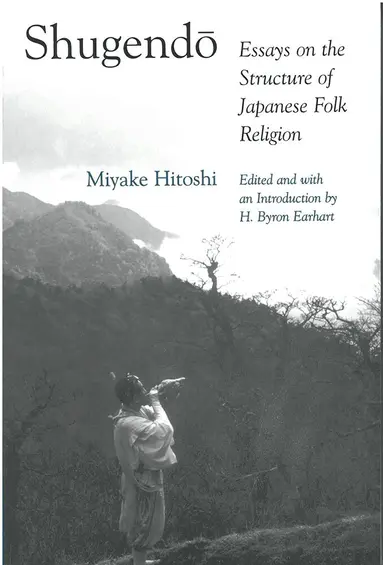
Shugendo
321 krhos Bokus · exkl. frakt
98 kr skillnad mellan billigaste och dyraste butik i lager
Dubbelkollade priser
Jämför 3 butiker
- Bokus, 321 kr, frakt enligt butiken. Till butik (öppnas i ny flik)
I lagerFrakt: se butikenDubbelkollad 06:51
321 kr
Lägst
- Akademibokhandeln, 419 kr, frakt enligt butiken. Till butik (öppnas i ny flik)
I lagerFrakt: se butikenDubbelkollad 06:53
419 kr
- Adlibris, 319 kr, frakt enligt butiken. Till butik (öppnas i ny flik)
Slut i lagerFrakt: se butikenDubbelkollad 27 okt. 09:10
319 kr


Priser från butikernas flöden kan ha ändrats: det är priset hos butiken som gäller, så kontrollera det innan du handlar.
Prishistorik
Köp nu eller vänta?
Just nu kostar produkten 321 kr — 2 kr över det lägsta vi sett på 1 månad.
Under den tiden har det oftast legat runt 320 kr.
Pris idag
321 kr
- Lägst
- 319 kr
- Snitt
- 321 kr
- Högst
- 324 kr
| 2026-09-15 | 319 kr · Lägst hos Adlibris |
|---|---|
| 2026-10-08 | 324 kr · Lägst hos Bokus |
| 2026-10-09 | 323 kr · Lägst hos Bokus |
| 2026-10-12 | 322 kr · Lägst hos Bokus |
| 2026-10-16 | 324 kr · Lägst hos Bokus |
| 2026-10-17 | 323 kr · Lägst hos Bokus |
| 2026-10-22 | 322 kr · Lägst hos Bokus |
| 2026-10-24 | 323 kr · Lägst hos Bokus |
| 2026-10-27 | 324 kr · Lägst hos Bokus |
| 2026-11-01 | 321 kr · Lägst hos Bokus |
Om produkten
Shugendo
Läs merLäs mindre
This volume of essays is the first comprehensive publication in English of the work of Miyake Hitoshi, a distinguished scholar of Shugendō (mountain asceticism) and one of the foremost researchers on Japanese folk religion. Miyake defines folk religion as "religion that merges from the necessities of community life." In Miyake's systematic methodological and theoretical approach, Shugendō is a classic example of Japanese folk religion, for it blends many traditions (shamanism, Taoism, Buddhism, and Shinto) into a distinctive Japanese religious worldview and is typical of Japanese religion generally. The first part of this book is devoted to Shugendō's history, organization, ritual, austerities, thought, and cosmology. Related subjects include exorcism and the exclusion of women. The second part of the book provides research and reflection on Japanese folk religion, including essays on the idea of nature, worldly benefits, new religions, death and rebirth, and the structure of folk religion. Shugendō: Essays on the Structure of Japanese Folk Religion clarifies much of the logic behind Japanese religious syncretism. It is essential reading not only for those interested in Japanese history, culture, and religion but also for those studying world religions and folk culture.