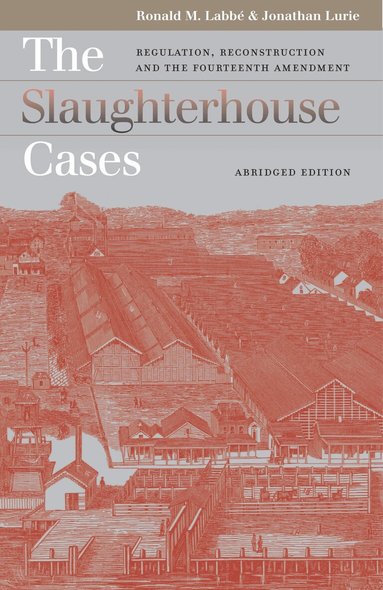
Slaughterhouse Cases
- Vikt 0,3 kg
342 krhos Bokus · exkl. frakt
107 kr skillnad mellan billigaste och dyraste butik i lager
Dubbelkollat idag
Jämför 2 butiker
- Bokus, 342 kr, frakt enligt butiken. Till butik (öppnas i ny flik)
I lagerFrakt: se butikenDubbelkollad 15:58
342 kr
Lägst
- Akademibokhandeln, 449 kr, frakt enligt butiken. Till butik (öppnas i ny flik)
I lagerFrakt: se butikenDubbelkollad 15:58
449 kr

Priser från butikernas flöden kan ha ändrats: det är priset hos butiken som gäller, så kontrollera det innan du handlar.
Prishistorik
Köp nu eller vänta?
Just nu kostar produkten 342 kr — 7 kr över det lägsta vi sett på 2 veckor.
Under den tiden har det oftast legat runt 340 kr.
Pris idag
342 kr
- Lägst
- 335 kr
- Snitt
- 344 kr
- Högst
- 439 kr
| 2026-09-26 | 439 kr · Lägst hos Akademibokhandeln |
|---|---|
| 2026-09-27 | 335 kr · Lägst hos Bokus |
| 2026-09-30 | 336 kr · Lägst hos Bokus |
| 2026-10-02 | 338 kr · Lägst hos Bokus |
| 2026-10-04 | 340 kr · Lägst hos Bokus |
| 2026-10-08 | 343 kr · Lägst hos Bokus |
| 2026-10-11 | 342 kr · Lägst hos Bokus |
| 2026-10-13 | 341 kr · Lägst hos Bokus |
| 2026-10-16 | 342 kr · Lägst hos Bokus |
Om produkten
Slaughterhouse Cases
Läs merLäs mindre
The Fourteenth Amendment to the Constitution, ratified in 1868, sought to protect the rights of the newly freed slaves; but its first important test did not arise until five years later. That test centered on a vitriolic dispute among the white butchers of mid-Reconstruction New Orleans. The rough-and-tumble world of nineteenth-century New Orleans was a sanitation nightmare, with the city's slaughterhouses dumping animal remains into local backwaters. When Louisiana authorized a monopoly slaughterhouse to bring about sanitation reform, many independent butchers felt disenfranchised. Framing their case as an infringement of rights protected by the new amendment, they flooded the lower courts with nearly 300 suits. The surviving cases that reached the U.S. Supreme Court pitted the butchers' right to labor against the state's ""police power"" to regulate public health. The result was a controversial decision that for the first time addressed the meaning and import of the Fourteenth Amendment. Speaking for the majority in the Court's 5-4 decision, Justice Samuel F. Miller upheld the state's actions as a fair use of its ""police power."" He also argued that the Fourteenth Amendment was intended exclusively as a means of protecting and redressing the suffering of former slaves. The result was a very restricted interpretation of the amendment's ""privileges and immunities,"" ""due process,"" and ""equal protection"" clauses. In striking contrast, the minority, led by Justices Stephen Field and Joseph Bradley, claimed that the Fourteenth Amendment had been intended to apply to all Americans, not just former slaves, and therefore protected the butchers' right to labor in their chosen profession. Engagingly written and concisely crafted for students and general readers, this newly abridged edition provides a very accessible guide to one of the Supreme Court's most famous cases.
Specifikationer
Fakta
- Vikt
- 0,3 kg
- GTIN
- 09780700614097
Uppgifter från tillverkare och butiker.