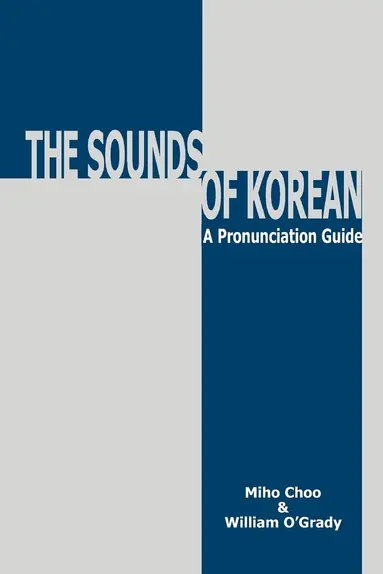
Sounds of Korean
Dubbelkollat idag
Jämför 1 butik
- Bokus, 336 kr, frakt enligt butiken. Till butik (öppnas i ny flik)
I lagerFrakt: se butikenDubbelkollad 02:51
336 kr
Lägst

Priser från butikernas flöden kan ha ändrats: det är priset hos butiken som gäller, så kontrollera det innan du handlar.
Prishistorik
Köp nu eller vänta?
Just nu kostar produkten 336 kr — 8 kr över det lägsta vi sett på 1 månad.
Under den tiden har det oftast legat runt 330 kr.
Pris idag
336 kr
- Lägst
- 328 kr
- Snitt
- 332 kr
- Högst
- 336 kr
| 2026-09-15 | 331 kr · Lägst hos Bokus |
|---|---|
| 2026-09-17 | 330 kr · Lägst hos Bokus |
| 2026-09-20 | 329 kr · Lägst hos Bokus |
| 2026-09-25 | 328 kr · Lägst hos Bokus |
| 2026-09-30 | 329 kr · Lägst hos Bokus |
| 2026-10-02 | 331 kr · Lägst hos Bokus |
| 2026-10-04 | 332 kr · Lägst hos Bokus |
| 2026-10-05 | 333 kr · Lägst hos Bokus |
| 2026-10-10 | 335 kr · Lägst hos Bokus |
| 2026-10-11 | 333 kr · Lägst hos Bokus |
| 2026-10-16 | 335 kr · Lägst hos Bokus |
| 2026-10-17 | 334 kr · Lägst hos Bokus |
| 2026-10-24 | 335 kr · Lägst hos Bokus |
| 2026-10-28 | 336 kr · Lägst hos Bokus |
Om produkten
Sounds of Korean
Läs merLäs mindre
This is an introduction to Korean pronunciation for students at all levels of proficiency. Beginners should find the information and practice they need to cross the threshold of intelligibility in Korean, while more advanced students will have the opportunity to fine-tune their pronunciation and improve their comprehension. This book focuses on the most challenging features of Korean pronunciation. Careful attention is paid to the way in which a sound's pronunciation can be modified in different contexts. The first part of the text consists of an overview and chapters on vowel and consonant sounds in Korean, adjustment processes that modify speech sounds in different positions within words and phrases, and the role of prosody in expressing meaning and emotion. The practice exercises that follow are paired with the various contrasts and adjustment processes discussed earlier. These exercises recorded on an accompanying CD by two native speakers (male and female) from Seoul, give students systematic, focused exposure to natural colloquial speech that represents the way Korean is actually spoken in the real world.