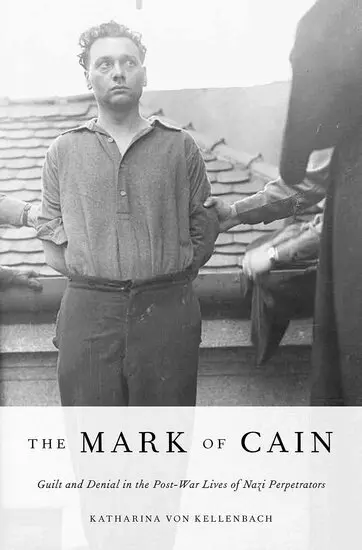
The Mark of Cain
- Vikt 0,52 kg
1 005 krhos Bokus · exkl. frakt
304 kr skillnad mellan billigaste och dyraste butik i lager
Dubbelkollade priser
Jämför 3 butiker
- Bokus, 1 005 kr, frakt enligt butiken. Till butik (öppnas i ny flik)
I lagerFrakt: se butikenDubbelkollad 07:51
1 005 kr
Lägst
- Akademibokhandeln, 1 309 kr, frakt enligt butiken. Till butik (öppnas i ny flik)
I lagerFrakt: se butikenDubbelkollad 07:53
1 309 kr
- Adlibris, 759 kr, frakt enligt butiken. Till butik (öppnas i ny flik)
Slut i lagerFrakt: se butikenDubbelkollad 27 okt. 09:10
759 kr


Priser från butikernas flöden kan ha ändrats: det är priset hos butiken som gäller, så kontrollera det innan du handlar.
Prishistorik
Köp nu eller vänta?
Just nu kostar produkten 1 005 kr — 256 kr över det lägsta vi sett på 1 månad.
Under den tiden har det oftast legat runt 760–1 010 kr.
Pris idag
1 005 kr
- Lägst
- 749 kr
- Snitt
- 890 kr
- Högst
- 1 005 kr
| 2026-09-15 | 749 kr · Lägst hos Adlibris |
|---|---|
| 2026-09-16 | 759 kr · Lägst hos Adlibris |
| 2026-10-04 | 983 kr · Lägst hos Bokus |
| 2026-10-05 | 759 kr · Lägst hos Adlibris |
| 2026-10-08 | 983 kr · Lägst hos Bokus |
| 2026-10-12 | 1 005 kr · Lägst hos Bokus |
Om produkten
The Mark of Cain
Läs merLäs mindre
The Mark of Cain fleshes out a history of conversations that contributed to Germany's coming to terms with a guilty past. Katharina von Kellenbach draws on letters exchanged between clergy and Nazi perpetrators, written notes of prison chaplains, memoirs, sermons, and prison publications to illuminate the moral and spiritual struggles of perpetrators after the war. These documents provide intimate insights into the self-reflection and self-perception of perpetrators. As Germany looks back on more than sixty years of passionate debate about political, personal and legal guilt, its ongoing engagement with the legacy of perpetration has transformed its culture and politics. In many post-genocidal societies, it falls to clergy and religious officials (in addition to the courts) to negotiate and create a path for individuals beyond the atrocities of the past. German clergy brought the Christian message of guilt and forgiveness into the internment camps where Nazi functionaries awaited prosecution at the hands of Allied military tribunals and various national criminal courts, or served out their sentences. The loving willingness to forgive and forget displayed towards his errant child by the father in the parable of the Prodigal Son became the paradigm central to Germany's rehabilitation and reintegration of Nazi perpetrators. The problem with Luke's parable in this context, however, is that perpetrators did not ask for forgiveness. Most agents of state crimes felt innocent. Von Kellenbach proposes the story of the mark of Cain as a counter narrative. In contrast to the Prodigal Son, who is quickly forgiven and welcomed back into the house of the father, the fratricide Cain is charged to rebuild his life on the basis of open communication about the past. The story of the Prodigal Son equates forgiveness with forgetting; Cain's story links redemption with remembrance and suggests a strategy of critical engagement with perpetrators.
Specifikationer
Fakta
- Vikt
- 0,52 kg
- GTIN
- 09780199937455
Uppgifter från tillverkare och butiker.