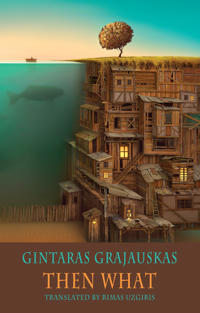
Then What
Dubbelkollade priser
Jämför 1 butik
- Adlibris, 149 kr plus 35 kr frakt. Till butik (öppnas i ny flik)
Slut i lagerFrakt 35 krDubbelkollad 27 okt. 09:10
149 kr

Priser från butikernas flöden kan ha ändrats: det är priset hos butiken som gäller, så kontrollera det innan du handlar.
Prishistorik
Köp nu eller vänta?
- Lägst
- 148 kr
- Snitt
- 149 kr
- Högst
- 149 kr
| 2026-09-15 | 148 kr · Lägst hos Adlibris |
|---|---|
| 2026-09-16 | 149 kr · Lägst hos Adlibris |
| 2026-10-06 | Ingen butik hade produkten i lager |
| 2026-10-08 | 149 kr · Lägst hos Adlibris |
| 2026-10-25 | Ingen butik hade produkten i lager |
Om produkten
Then What
Läs merLäs mindre
With the demise of the Soviet Union, Lithuania jumped from a neo-romantic modernism straight into the postmodern wasteland of unfettered capitalism. Pensions disappeared along with jobs. Everything underwent "reform". Everything was for sale. Poetry audiences went from stadium size to coffee house size. Giddy joy was followed by disillusion, anxiety, angst. Gintaras Grajauskas's poetry cannot be understood without this backdrop, for it was here that he cut his poetic teeth and became a major Lithuanian poet. He met the jarring changes around him with a wry smile, black humour, irony - all grounded in respect for the quotidian, the small, the insignificant. Reading his poems, one can laugh and grind one's teeth at the same time. We can see the influences of Polish poetry in the irony and search for meaning in a new cultural landscape. We can see the rejection of lyrical language for the prosaic, the pithy. Paradoxical, absurd, witty and observant, Grajauskas reflects a society that has