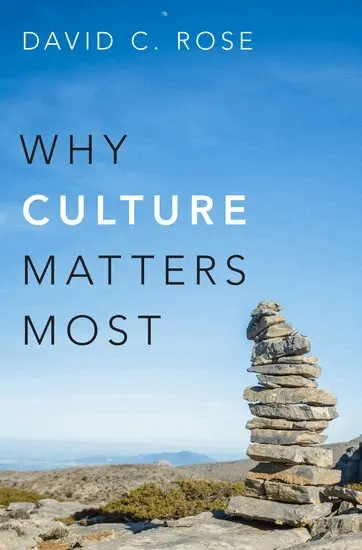
Why Culture Matters Most
- Vikt 0,39 kg
537 krhos Bokus · exkl. frakt
162 kr skillnad mellan billigaste och dyraste butik i lager
Dubbelkollat idag
Jämför 2 butiker
- Bokus, 537 kr, frakt enligt butiken. Till butik (öppnas i ny flik)
I lagerFrakt: se butikenDubbelkollad 08:51
537 kr
Lägst
- Akademibokhandeln, 699 kr, frakt enligt butiken. Till butik (öppnas i ny flik)
I lagerFrakt: se butikenDubbelkollad 08:53
699 kr

Priser från butikernas flöden kan ha ändrats: det är priset hos butiken som gäller, så kontrollera det innan du handlar.
Prishistorik
Köp nu eller vänta?
Just nu kostar produkten 537 kr — 6 kr över det lägsta vi sett på 1 månad.
Under den tiden har det oftast legat runt 540 kr.
Pris idag
537 kr
- Lägst
- 531 kr
- Snitt
- 541 kr
- Högst
- 565 kr
| 2026-09-15 | 531 kr · Lägst hos Bokus |
|---|---|
| 2026-09-22 | 537 kr · Lägst hos Bokus |
| 2026-10-14 | 565 kr · Lägst hos Bokus |
| 2026-10-17 | 537 kr · Lägst hos Bokus |
| 2026-10-23 | 565 kr · Lägst hos Bokus |
| 2026-10-29 | 537 kr · Lägst hos Bokus |
Om produkten
Why Culture Matters Most
Läs merLäs mindre
The key to achieving mass flourishing is culture - not genes, geography, institutions, or policies.In this thought-provoking book, David C. Rose argues that societal success depends on overcoming the challenge posed by rational self-interest undermining the common good. General prosperity requires large group cooperation, which requires trust, and yet as societies grow larger it becomes more difficult to sustain a high trust society. Culture uniquely addresses this problem by aligning individual interests with the common good, thereby addressing the empathy problem and the greater good rationalization problem. Culturally transmitted moral beliefs can sustain large group trust are akin to commonly owned asset by members of society and like any commons are subject to problems of abuse and neglect. These problems are apparent in all societies, and Rose highlights a dilemma: while human flourishing requires the general prosperity that comes from a free market system and it requires freedom that depends upon democratic institutions, there is a danger of redistributive and regulatory favoritism that undermines trust in the system generally. This can lead to political tribalism that is shown to reduce trust in the democratic system. This tension has implications for social, political, and economic development.Cultural beliefs - specifically moral beliefs - are more important than cultural practices or institutions for building a high trust society because when trust producing moral beliefs are well ensconced, trust producing institutions and practices naturally follow. Culture also matters instrumentally because childhood instruction, a hallmark of culture, helps overcome the irrationality of adult individuals choosing to have moral beliefs that they know will limit their ability to promote their own welfare at the expense of the common good in the future. The analysis has surprising implications for the family, religion, government, and the stability of western free market democracies.
Specifikationer
Fakta
- Vikt
- 0,39 kg
- GTIN
- 09780199330720
Uppgifter från tillverkare och butiker.