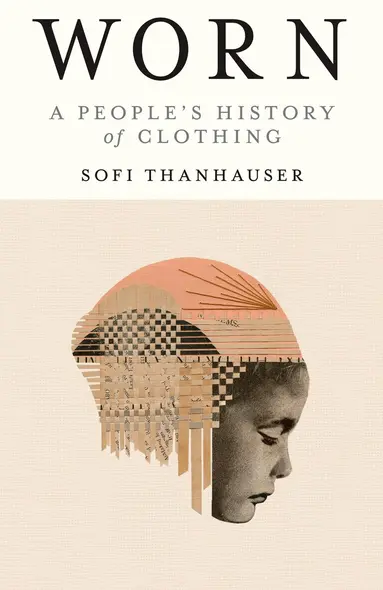
Worn
Dubbelkollade priser
Jämför 3 butiker
- Bokus, 272 kr, frakt enligt butiken. Till butik (öppnas i ny flik)
I lagerFrakt: se butikenDubbelkollad 05:51
272 kr
Lägst
- Adlibris, 213 kr plus 35 kr frakt. Till butik (öppnas i ny flik)
Slut i lagerFrakt 35 krDubbelkollad 27 okt. 09:10
213 kr
- Akademibokhandeln, 299 kr, frakt enligt butiken. Till butik (öppnas i ny flik)
Slut i lagerFrakt: se butikenDubbelkollad 05:53
299 kr


Priser från butikernas flöden kan ha ändrats: det är priset hos butiken som gäller, så kontrollera det innan du handlar.
Prishistorik
Köp nu eller vänta?
Just nu kostar produkten 272 kr — 65 kr över det lägsta vi sett på 1 månad.
Under den tiden har det oftast legat runt 210–270 kr.
Pris idag
272 kr
- Lägst
- 207 kr
- Snitt
- 231 kr
- Högst
- 294 kr
| 2026-09-15 | 207 kr · Lägst hos Adlibris |
|---|---|
| 2026-09-24 | 209 kr · Lägst hos Adlibris |
| 2026-10-04 | 294 kr · Lägst hos Bokus |
| 2026-10-08 | 213 kr · Lägst hos Adlibris |
| 2026-10-22 | 294 kr · Lägst hos Bokus |
| 2026-10-26 | 231 kr · Lägst hos Bokus |
| 2026-10-28 | 272 kr · Lägst hos Bokus |
Om produkten
Worn
Läs merLäs mindre
A NEW YORKER BEST BOOK OF THE YEAR A sweeping and captivatingly told history of clothing and the stuff it is made of-an unparalleled deep-dive into how everyday garments have transformed our lives, our societies, and our planet. "We learn that, if we were a bit more curious about our clothes, they would offer us rich, interesting and often surprising insights into human history...a deep and sustained inquiry into the origins of what we wear, and what we have worn for the past 500 years." -The Washington PostIn this panoramic social history, Sofi Thanhauser brilliantly tells five stories-Linen, Cotton, Silk, Synthetics, Wool-about the clothes we wear and where they come from, illuminating our world in unexpected ways. She takes us from the opulent court of Louis XIV to the labor camps in modern-day Chinese-occupied Xinjiang. We see how textiles were once dyed with lichen, shells, bark, saffron, and beetles, displaying distinctive regional weaves and knits, and how the modern Western garment industry has refashioned our attire into the homogenous and disposable uniforms popularized by fast-fashion brands.Thanhauser makes clear how the clothing industry has become one of the planet's worst polluters and how it relies on chronically underpaid and exploited laborers. But she also shows us how micro-communities, textile companies, and clothing makers in every corner of the world are rediscovering ancestral and ethical methods for making what we wear.Drawn from years of intensive research and reporting from around the world, and brimming with fascinating stories, Worn reveals to us that our clothing comes not just from the countries listed on the tags or ready-made from our factories. It comes, as well, from deep in our histories.